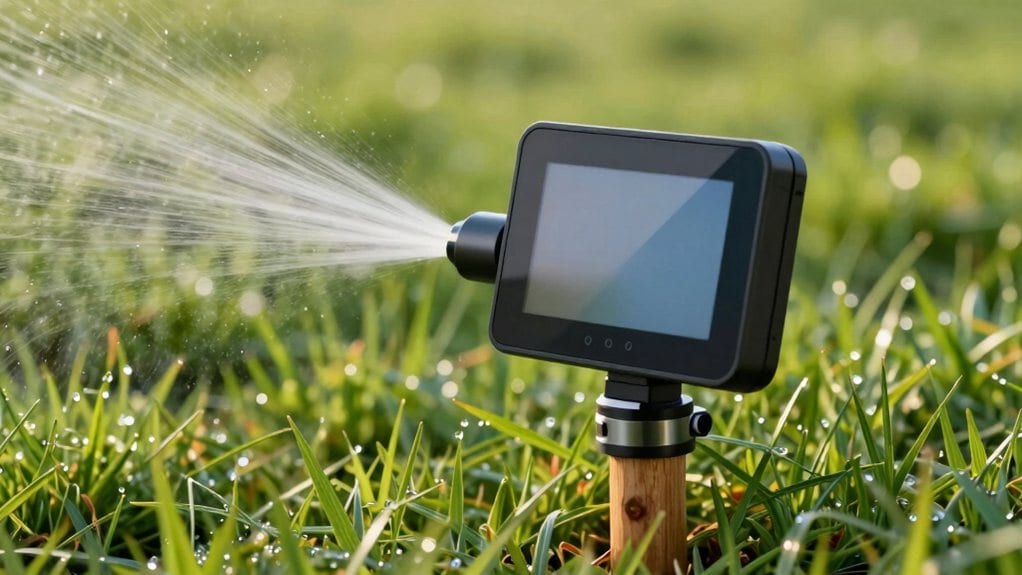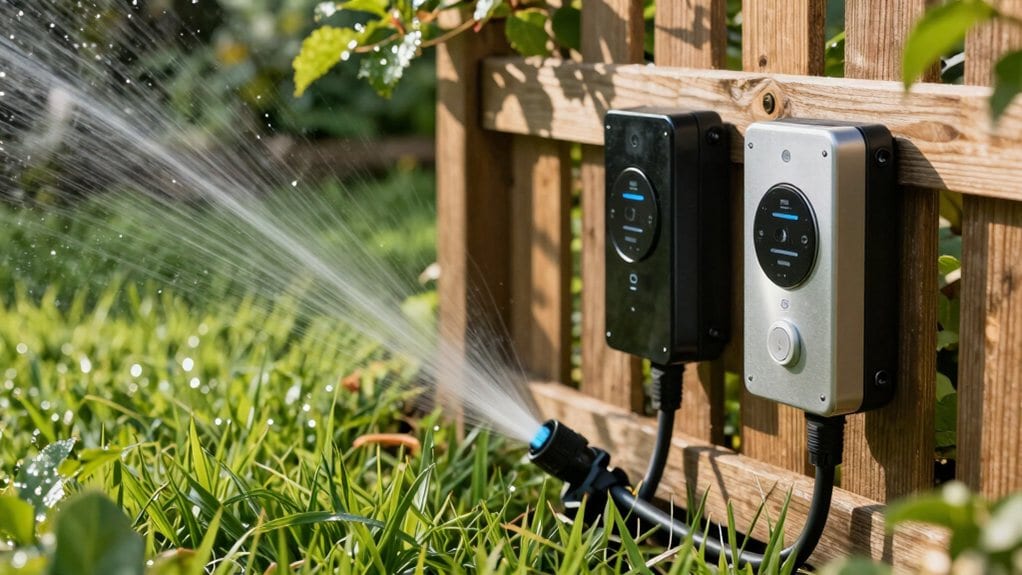
Smart home climate controls combat mold by managing the conditions where fungi thrive. You can program thermostats to maintain temperatures between 68-72°F and keep humidity below the 60% threshold. Strategic placement of sensors in bathrooms, kitchens and basements provides early warnings of moisture problems. Automated ventilation systems respond to high humidity, while connected leak detectors prevent water damage. A thorough system integrates these technologies to create an environment where mold simply cannot flourish.
Why Mold Thrives in Uncontrolled Home Environments
While many homeowners focus on visible cleanliness, unseen environmental factors often create perfect conditions for mold growth.
Your home’s moisture levels are vital, as mold can begin growing on wet surfaces within just 24-48 hours.
Indoor humidity above 60% dramatically increases your risk of mold colonization. When you cook, shower, or even breathe, you’re adding moisture to your home’s air.
Poor ventilation compounds this problem by trapping humidity and preventing evaporation from damp surfaces. Without proper airflow, condensation lingers on your walls, ceilings, and furniture.
Your home’s organic materials—drywall, wood, carpets, and even dust—provide perfect food sources for mold.
When these materials remain damp in temperatures between 60-80°F, you’ve inadvertently created an ideal mold habitat.
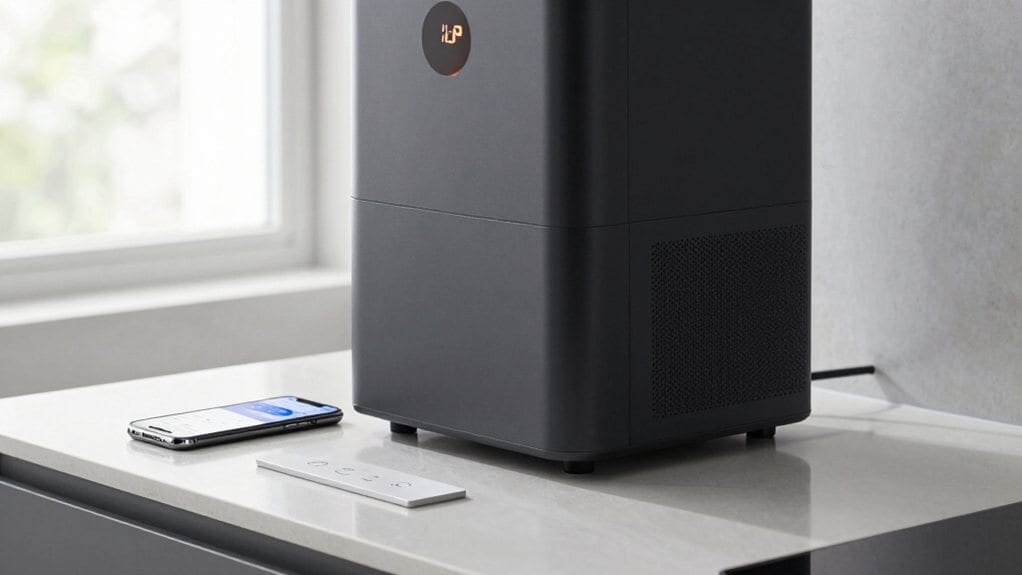
Installing a smart humidity controller can help maintain optimal moisture levels and significantly reduce the risk of mold growth in your home.
The Role of Smart Thermostats in Maintaining Mold-Resistant Conditions
Smart thermostats create multiple temperature zones in your home, preventing cold spots where condensation forms and mold thrives.
Your thermostat’s weather-responsive settings automatically adjust heating and cooling based on outdoor conditions, safeguarding your home during humid or rainy periods.
Maintaining ideal temperatures between 68-72°F with your smart system considerably reduces surface condensation risk, creating an environment where mold struggles to establish itself.
Temperature Zoning Prevents Moisture
Temperature zoning represents a crucial defense against mold development in your home by creating environments where spores can’t thrive.
By maintaining temperatures outside the 77°F-86°F range where mold flourishes, you’ll noticeably inhibit growth potential.
Smart thermostats with room sensors allow you to create customized temperature profiles for different areas of your home.
This prevents the formation of warm, stagnant air pockets that typically foster mold colonies.
Consistent temperatures within zones reduce condensation on surfaces, eliminating a primary moisture source that mold requires.
You’ll want to maintain indoor temperatures between 68°F-72°F for ideal mold resistance while balancing energy efficiency.
When you combine temperature zoning with humidity control, you’re creating a thorough mold prevention system.
This pairing helps maintain temperatures above dew point in each zone, preventing the surface moisture that mold needs to establish itself.
Weather-Responsive Settings Safeguard Homes
Modern weather patterns greatly influence indoor humidity levels, making responsive climate control systems a powerful defense against mold growth.
Smart thermostats automatically adjust your home’s climate based on external weather conditions detected through internet connections. Your smart thermostat can trigger dehumidification cycles when outdoor humidity rises, preventing indoor levels from exceeding the EPA’s recommended 60% threshold. This proactive approach stops mold before it can establish.
During seasonal shifts, these systems modify ventilation rates to maintain ASHRAE’s recommended 0.35 air changes per hour. You’ll receive alerts when conditions become favorable for mold development, allowing remote intervention through your smartphone.
Energy efficiency remains a priority, as smart thermostats balance temperature settings between 64°–70°F to prevent condensation on surfaces without excessive energy consumption. This targeted approach maintains mold resistance while optimizing utility costs.
Optimal Temperature Prevents Condensation
When condensation develops on your windows and walls, it creates the perfect breeding ground for mold and mildew. This moisture accumulation occurs when warm, humid air contacts cold surfaces in your home.
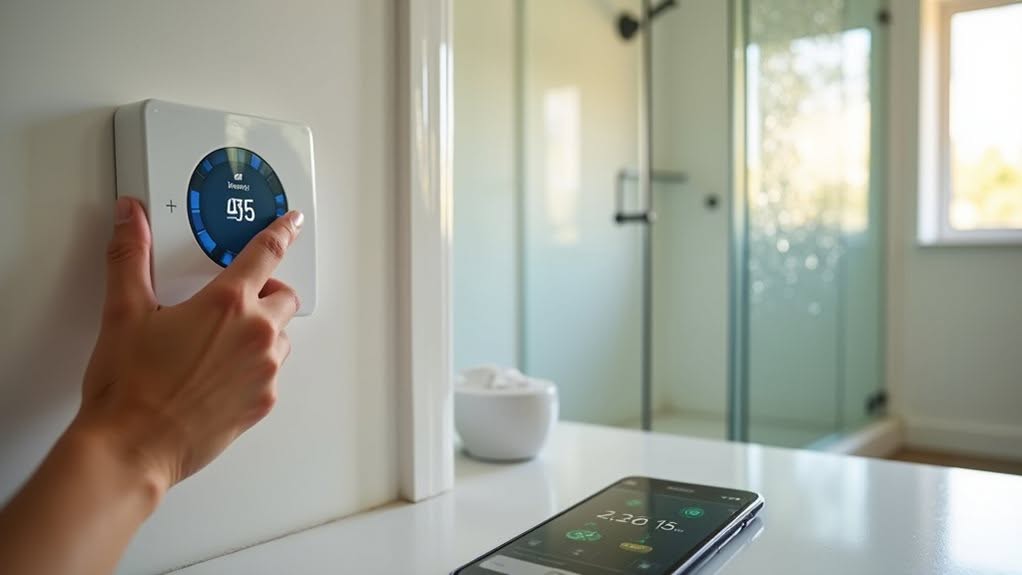
Maintaining a consistent indoor temperature between 68°F and 72°F (20-22°C) greatly reduces condensation risk by minimizing thermal variations. Smart thermostats excel at this task, providing precise control within this ideal range.
For different seasons, adjust accordingly: keep winter settings between 64°F and 72°F, while summer settings in humid regions should stay around 77°F to 78°F. These temperatures balance comfort with moisture control.
Smart thermostats with humidity sensors offer additional protection by maintaining relative humidity below 50%. Their automated scheduling prevents the temperature fluctuations that lead to condensation, while remote monitoring capabilities let you respond quickly to changing conditions.
Automated Ventilation: Your 24/7 Defense Against Moisture Buildup
Your automated ventilation system can be programmed to tackle high-moisture areas through strategic bathroom steam control, kitchen exhaust automation, and seasonal adjustments.
When you shower, smart bathroom fans activate automatically based on humidity levels rather than manual switches, removing steam before it condenses on surfaces.
Your kitchen range hoods can similarly detect cooking activities and adjust fan speed accordingly, while system-wide ventilation settings can be optimized for damp seasons when mold growth typically accelerates.
Bathroom Steam Control Strategy
Effective bathroom steam control requires automated ventilation systems that work continuously to prevent moisture buildup. Installing bathroom fans with appropriate CFM ratings for your space guarantees adequate air exchange to combat humidity.
Smart humidity sensors offer a superior solution by triggering fans automatically when moisture levels rise, maintaining humidity below the 60% threshold where mold thrives. These sensors operate 24/7, eliminating the need for manual intervention.
For windowless bathrooms, standard passive vents won’t suffice. Instead, implement mechanical ventilation solutions like Moisture Flow® Soffit Vents that actively circulate air while meeting ICC ventilation codes.
Proper timing is essential for moisture control. Automated systems should activate before showering and continue running for 20-30 minutes afterward. This consistent operation prevents condensation from settling on surfaces where mold can develop.
Kitchen Exhaust Automation
Three key components make automated kitchen exhaust systems your most reliable defense against moisture buildup and mold growth: 24/7 operation capability, smart sensor integration, and maintenance automation.
Your automated system continuously removes excess steam and cooking vapors, preventing the condensation that leads to mold-friendly environments.
Modern systems adjust fan speed based on real-time humidity and pollutant levels, optimizing energy use while sustaining air quality.
These systems capture over 90% of cooking pollutants, including grease, moisture, and microscopic mold spores as small as 0.3 microns.
This prevents residue accumulation on surfaces where mold thrives.
Integration with your home’s climate controls allows coordinated humidity management throughout your house, while automated maintenance reminders guarantee your system remains effective at removing moisture year-round.
Damp Season Programming
When the seasons shift toward higher humidity, a well-programmed automated ventilation system becomes your most critical defense against mold growth.
Your smart home can automatically adjust ventilation intensity during humid months and scale back during drier periods, conserving energy while maintaining protection.
These systems analyze external weather conditions to modulate airflow, balancing indoor moisture without causing heat loss during colder seasons.
You’ll benefit from ventilation schedules that align with seasonal moisture patterns, with higher air exchange rates during spring and summer months.
Your smart home can use predictive algorithms to analyze historical humidity trends, allowing it to operate ventilation preemptively during typically damp seasons.
This proactive approach guarantees your home maintains ideal humidity levels year-round, preventing the conditions where mold typically thrives.
For comprehensive mold prevention, set up automations that trigger when the mold risk index exceeds your predetermined threshold, activating dehumidifiers or sending alerts to your mobile device.
Strategic Placement of IoT Sensors for Early Detection
Strategic placement of IoT sensors throughout your home creates a powerful early warning system against mold growth. These devices monitor critical factors like humidity, temperature, and moisture levels that contribute to mold formation.
Install sensors in high-risk areas such as bathrooms, kitchens, and basements where moisture tends to accumulate.
Don’t forget to position devices near potential water sources, including plumbing fixtures and HVAC systems, to detect leaks immediately.
Materials vulnerable to mold, like drywall and wooden structures, should be monitored closely with dedicated sensors.
For thorough coverage, distribute temperature and humidity sensors across different rooms and floors.
You’ll benefit from early detection capabilities that can save thousands in remediation costs while maintaining better air quality.
Real-time monitoring provides continuous visibility into moisture balance conditions that could lead to mold development.
Integration with your existing smart home system allows for automatic alerts and proactive climate adjustments.
How AI Analytics Transform Moisture Data Into Preventive Action
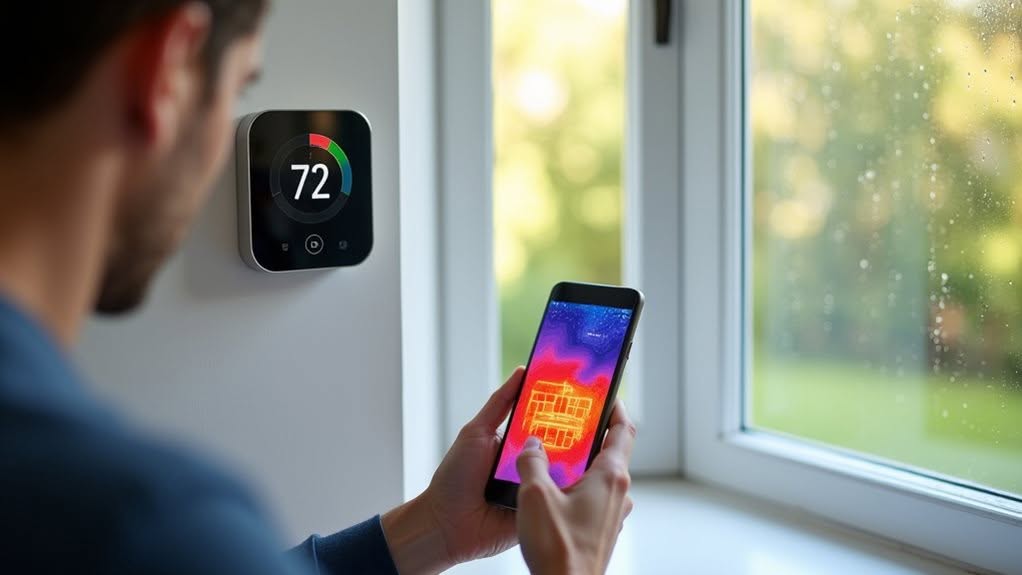
Modern AI analytics have revolutionized how homeowners can prevent mold by transforming raw moisture data into actionable intelligence.
These sophisticated systems continuously monitor environmental conditions throughout your home, detecting potential trouble spots before visible mold appears.
When AI algorithms analyze temperature and humidity patterns, they identify risk factors that humans might miss. The system then delivers timely alerts directly to your smartphone or email.
- Anomaly detection models identify concerning moisture patterns 24/7
- Predictive analytics forecast potential mold hotspots before problems develop
- Digital moisture mapping pinpoints exact problem locations for targeted remediation
- Real-time alerts enable immediate intervention before damage occurs
- Integration with smart home systems allows automated humidity adjustments
With AI-powered moisture monitoring, you’ll receive specific recommendations for addressing potential issues, greatly reducing both remediation costs and health risks.
Integrating Leak Detection Systems With Your Smart Home Network
Integrating leak detection systems into your smart home network creates a powerful defense against water damage and mold growth.
These devices connect seamlessly with major ecosystems like Apple HomeKit, Alexa, Google Home, and Z-Wave or Zigbee hubs.
You’ll benefit from automated responses when leaks occur, including instant smartphone notifications and automatic shutoff of your main water valve. This minimizes potential damage that could lead to mold issues.
Installation requires strategic placement near common leak sources such as under sinks, behind appliances, or near water heaters.
Make sure your devices remain within range of your hub or Wi-Fi network for dependable alert transmission.
Many modern systems employ AI to learn your typical water usage patterns, distinguishing between normal flow and potential leaks.
This smart analytics approach greatly enhances detection precision while reducing false alarms.
Creating a Comprehensive Smart Home Strategy for Year-Round Protection
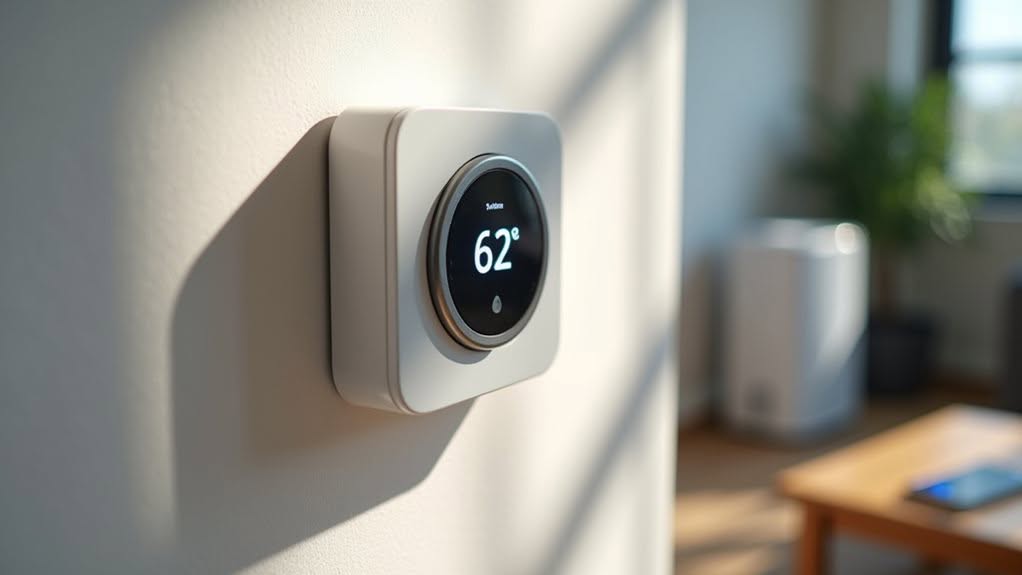
Developing a thorough smart home strategy requires coordinated deployment of multiple technologies working in concert to provide year-round mold protection. Your approach should integrate continuous monitoring with automated response systems that work even when you’re away.
- Connect humidity sensors, air quality monitors, and IoT devices to create a complete environmental picture.
- Program smart dehumidifiers and HVAC systems to maintain ideal humidity levels (40-60%).
- Set up customized alerts and thresholds based on your home’s specific risk areas.
- Establish automated routines that adjust based on seasonal changes and usage patterns.
- Implement regular maintenance schedules with smart reminders for filter changes.
Data-driven decisions are critical to effective mold prevention. By analyzing historical patterns, you’ll identify recurring problem areas and validate your mitigation strategies, potentially saving $500-$1,500 per prevented incident.
Frequently Asked Questions
Can Smart Climate Systems Distinguish Between Harmful and Harmless Mold Types?
No, current smart climate systems can’t distinguish between mold types. They only detect conditions that promote mold growth. You’ll still need professional testing to identify whether mold in your home is harmful or harmless.
How Much Energy Do Automated Anti-Mold Systems Typically Consume?
Automated anti-mold systems typically consume minimal energy—less than a 40-watt bulb for controllers and sensors, though dehumidifiers use more. You’ll see efficiency gains when they only activate during high humidity events.
Are These Smart Systems Compatible With Older HVAC Installations?
Smart thermostats often need modifications to work with older HVAC systems. You’ll typically need a C-wire addition or adapter, and systems over 15 years old might require professional assessment before installation is possible.
Can Renters Install Temporary Smart Mold Prevention Systems?
Yes, you can install temporary smart mold prevention systems as a renter. Opt for non-invasive devices like plug-and-play sensors, portable dehumidifiers, and battery-powered leak detectors that don’t require permanent modifications to the property.
How Do Power Outages Affect Smart Mold Prevention System Effectiveness?
Power outages render your smart mold prevention system ineffective. Without electricity, sensors stop monitoring, dehumidifiers cease operation, and you’ll lose data. Consider adding battery backups to maintain protection during interruptions.
Final Thoughts
By integrating smart climate controls throughout your home, you’re creating a powerful defense system against mold growth. Your network of thermostats, ventilation systems, and moisture sensors works together to maintain ideal conditions while alerting you to potential problems. This automated approach doesn’t just react to mold—it prevents it completely. With proper setup and monitoring, you’ll protect your home’s structure and your family’s health for years to come.