When you’re choosing between cloud-based and local security systems, you’re fundamentally deciding between convenience and control. Cloud solutions offer accessibility from anywhere with an internet connection, while local systems give you complete ownership of your security data. Both approaches have distinct advantages regarding cost structure, maintenance requirements, and scalability. The right choice depends on your organization’s specific needs, budget constraints, and compliance requirements. What factors matter most for your security infrastructure?
Understanding the Fundamentals of Cloud and On-Premise Security
The foundation of any modern security system rests on where and how your data is stored and accessed. This fundamental distinction defines the core difference between cloud security and local security solutions.
Cloud-based systems store your security data on remote servers maintained by third-party providers. You’ll access this information through an internet connection from virtually anywhere, making management convenient regardless of your location.
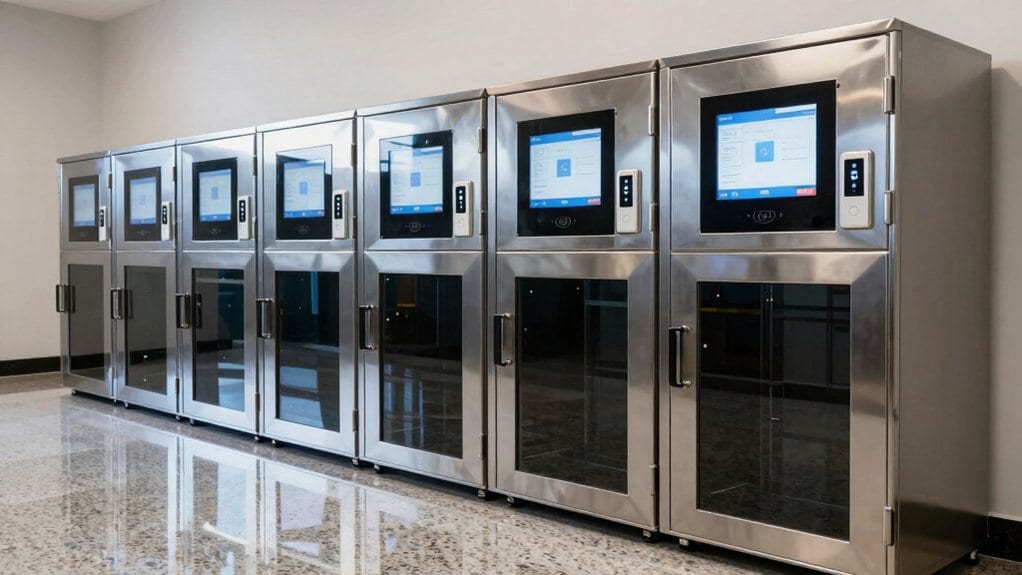
In contrast, local security systems rely on dedicated on-site hardware. Your data remains within your physical premises, giving you complete control over your security infrastructure. This approach is particularly valuable for businesses operating in regulated industries with strict compliance requirements.
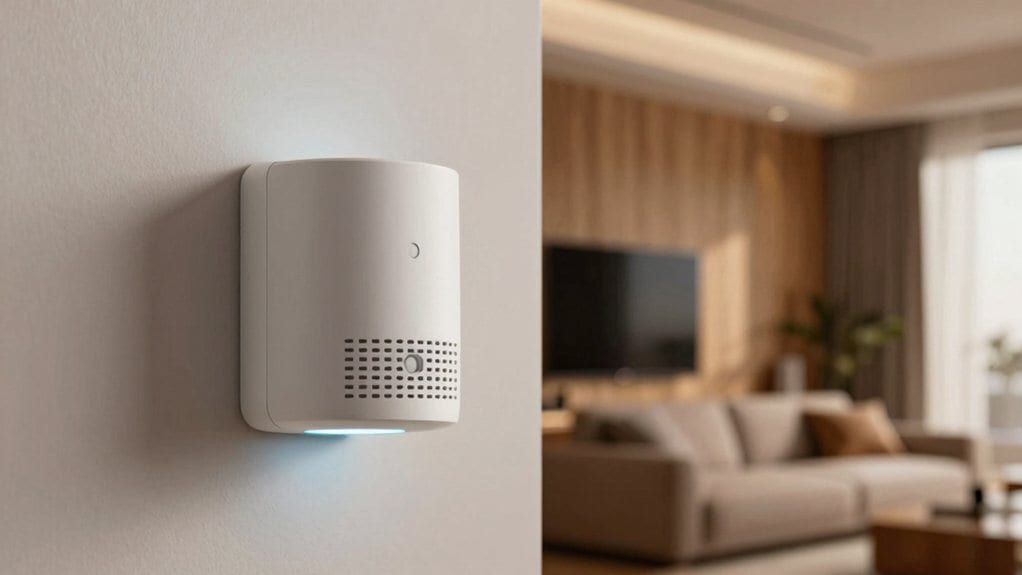
The architectural differences between these systems impact everything from accessibility and control to cost structures and operational reliability during internet outages. Many homeowners are enhancing their safety with smart home security solutions that offer both cloud and local storage options.
Infrastructure Requirements and Implementation Costs
When choosing between cloud and local security systems, you’ll encounter notable differences in how each option impacts your budget and infrastructure needs.
Cloud-based solutions offer a pay-as-you-go model that eliminates large upfront hardware investments, while on-premise systems require substantial initial capital for servers, equipment, and high-speed internal networks.
Your long-term costs will vary too, as local systems demand ongoing maintenance expenses and hardware upgrades when scaling, whereas cloud solutions simplify expansion with on-demand resources that can grow alongside your needs.
Initial Setup Differences
Choosing between cloud-based and local security systems fundamentally impacts your initial investment strategy and implementation timeline.
Cloud advantages include considerably lower upfront costs since you won’t need to purchase physical servers or dedicated hardware.
When comparing setup approaches, consider these key differences:
- Cloud systems deploy faster, often within days, requiring only internet connectivity and configuration.
- Local systems demand physical installation of servers, storage media, and network components.
- Cloud solutions operate on subscription models without capital expenditures.
- Local systems require dedicated space and environmental controls (power, cooling, etc.).
The local drawbacks extend beyond just higher hardware costs—you’ll also need technical expertise for implementation.
Meanwhile, cloud providers handle infrastructure maintenance, allowing your team to focus on configuring security parameters rather than managing physical components.
Ongoing Maintenance Expenditures
Maintenance costs represent a crucial factor in the total ownership equation when comparing security system options. When you implement a cloud-based solution, the provider handles server maintenance and updates, markedly reducing your IT staff requirements.
A thorough cost analysis reveals that local systems demand more resources for ongoing operations. You’ll need to budget for regular hardware maintenance, cooling systems, and physical space allocation. These maintenance strategies can quickly increase your operational expenses.
Cloud solutions eliminate many of these costs by transferring infrastructure responsibilities to the provider. You won’t pay for power consumption or cooling at your facility, and upgrades typically come without additional hardware investments.
For stable workloads, local systems might offer long-term savings by avoiding subscription fees, but you’ll need to invest in redundancy and disaster recovery solutions.
Scalability Cost Implications
As businesses grow or face changing security needs, scalability becomes a critical factor in overall expense management.
Cloud-based security systems offer considerable cost efficiency advantages through their flexible infrastructure model.
When comparing scaling costs between cloud and local systems, consider these key differences:
- Cloud solutions provide on-demand resource adjustment without major capital investment.
- Local systems require physical hardware purchases and installation for each expansion.
- Pay-as-you-go cloud pricing aligns costs directly with actual usage flexibility.
- Long-term ownership costs favor cloud solutions due to reduced maintenance needs.
With cloud security, you’ll eliminate expenses for on-site infrastructure while reducing energy consumption and operational costs.
Your business can quickly adapt to changing needs without the delays associated with hardware installation, allowing for more responsive security management while maintaining predictable budgeting.
Data Control, Ownership, and Compliance Considerations
While businesses evaluate security system options, the question of who controls their data becomes increasingly critical.
Cloud solutions often place your information under third-party governance, potentially creating ownership disputes if provider policies change.
Local systems give you complete data sovereignty, allowing direct implementation of privacy regulations customized to your industry. You’ll maintain full control over compliance audits and can adapt quickly to evolving requirements like GDPR or HIPAA.
When conducting your risk assessment, consider how each approach affects your vulnerability to data breaches.
Cloud providers offer established compliance certifications, but you’re still responsible for guaranteeing they meet your specific regulatory needs.
Many organizations find a hybrid approach most effective, keeping sensitive information on-premise while leveraging cloud benefits for less critical data, balancing control with convenience.
System Reliability and Disaster Recovery Capabilities
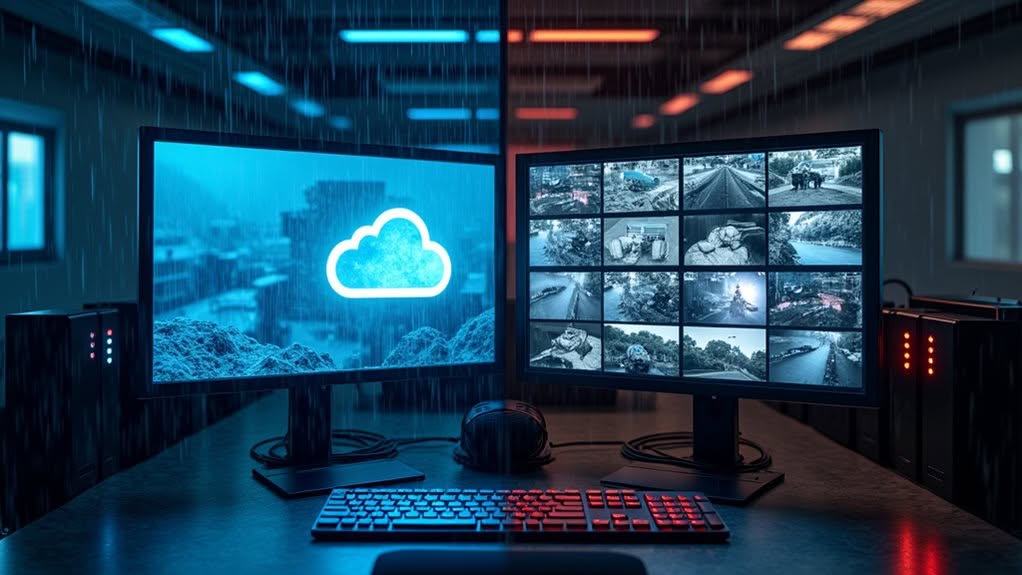
When evaluating security systems, reliability during critical situations can make the difference between capturing essential footage and missing it entirely.
Your choice between cloud-based and local systems greatly impacts disaster recovery capabilities.
Local systems continue recording during internet outages, providing reliability when connectivity fails. However, they typically require manual intervention for recovery, potentially causing longer downtimes.
Cloud solutions offer these disaster recovery advantages:
- Distributed backups across multiple locations
- Automated failover systems to minimize interruptions
- Subscription models that include recovery services
- Remote accessibility during physical site damage
For peak system reliability, consider a dual approach combining local servers with cloud backup.
This hybrid solution guarantees continuous operation during outages while leveraging cloud convenience for data access and simplified disaster recovery procedures.
Security Management and Monitoring Capabilities
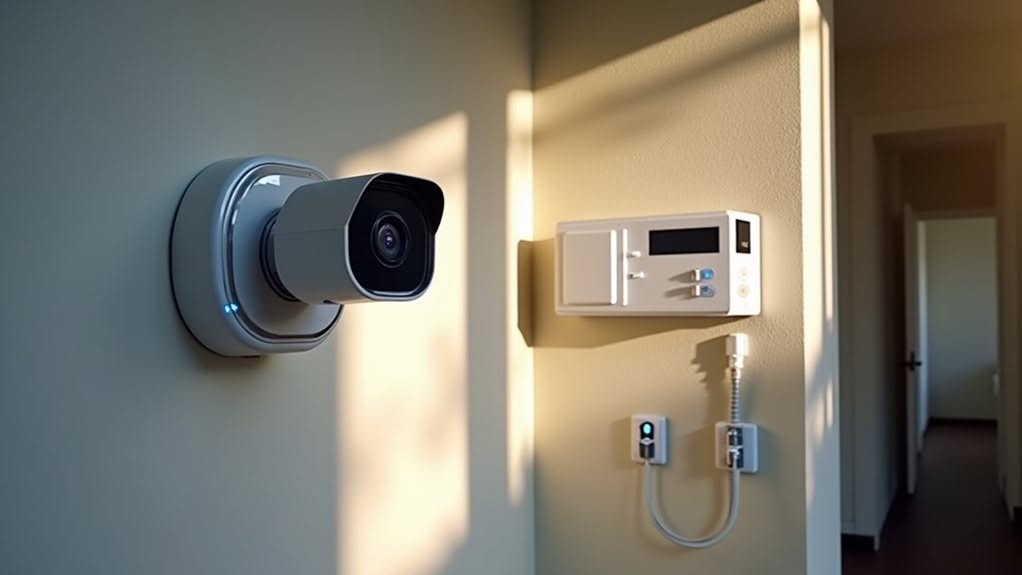
Cloud-based security systems give you the ability to monitor and manage your security from anywhere with an internet connection, allowing you to check cameras or adjust settings even when you’re away from the premises.
You’ll receive instant alerts on your mobile device when potential threats are detected, which greatly reduces response times compared to local systems that require physical presence.
The combination of remote access and real-time notifications creates a more responsive security environment that can adapt to threats as they emerge rather than discovering breaches after they’ve occurred.
Remote Access Capabilities
Modern security systems have evolved to break down the physical barriers of traditional monitoring approaches.
Cloud-based solutions offer considerable remote access advantages that local systems simply can’t match.
With cloud systems, you’ll gain flexibility to monitor your security infrastructure from anywhere with internet connectivity. This represents one of the key cloud advantages over local limitations.
Four key benefits of remote access through cloud security systems:
- Access security footage and alerts from any device, anywhere in the world
- Make immediate configuration changes without visiting the physical site
- Receive real-time notifications when security events occur
- Share access with multiple authorized users simultaneously
Local systems restrict management to on-site servers, requiring physical presence for monitoring and configuration changes, which greatly limits responsiveness during security incidents.
Real-Time Threat Response
The ability to respond swiftly to security threats directly impacts how effectively you can protect your assets.
Cloud-based systems offer a notable advantage with their centralized visibility and continuous monitoring capabilities.
When you implement cloud security, you’ll gain access to advanced threat detection technologies that identify patterns and anomalies in real-time. This means your incident response strategies can be executed immediately from any internet-connected device.
Local systems, while providing direct control, often rely on manual assessments for threat identification. This approach can delay your response time and increase vulnerability windows during security incidents.
It’s worth noting that cloud solutions depend on internet connectivity. During outages, local systems maintain an advantage by continuing to monitor and record activity without interruption, guaranteeing your surveillance remains functional regardless of connectivity issues.
Scalability and Long-Term Growth Potential
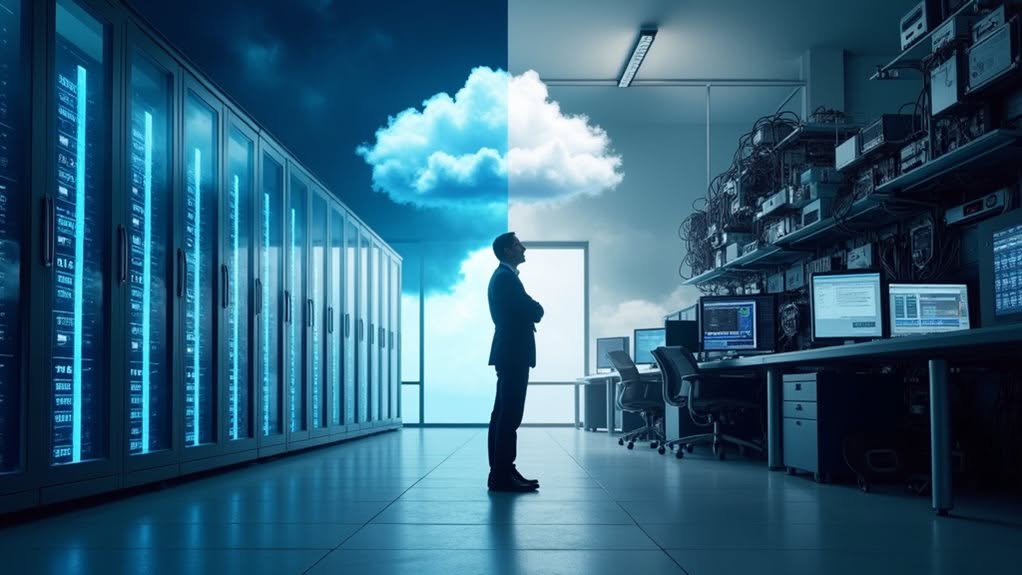
As businesses contemplate their security infrastructure‘s future, scalability emerges as a critical factor in long-term planning.
Cloud advantages include on-demand resource allocation without the burden of purchasing physical hardware, allowing your company to adapt quickly to changing needs.
Local limitations become apparent when expansion requires considerable capital investment for new equipment, potentially slowing your growth trajectory.
With cloud-based solutions, you’ll find scaling happens seamlessly as your business evolves.
Consider these key scalability differences:
- Cloud solutions offer pay-as-you-grow subscription models, aligning costs with actual usage
- Local systems require substantial upfront investments for expansion
- Cloud platforms enable rapid deployment of new security features and technologies
- On-premises solutions often face integration challenges with newer technologies
Your long-term growth potential improves notably when your security infrastructure can evolve alongside your business needs.
Maintenance Requirements and Through-Life Costs
While considering the scalability of your security system, examining ongoing maintenance requirements and lifetime costs provides a complete financial picture.
Cloud-based security systems operate on a predictable subscription model with minimal upfront expenses. Your provider handles maintenance, freeing your IT team from system upkeep responsibilities and potentially reducing staffing costs.
Local systems demand considerable initial capital investment but can offer better system longevity without recurring subscription fees. However, you’ll need dedicated IT personnel to maintain equipment and manage potential hardware failures or upgrades.
For accurate budget forecasting, consider the total cost over a 5-10 year period. Cloud solutions may appear cheaper initially but accumulate expenses as you scale.
Local systems require larger upfront investment but provide more predictable long-term costs and greater control over maintenance schedules.
Remote Accessibility and Operational Flexibility
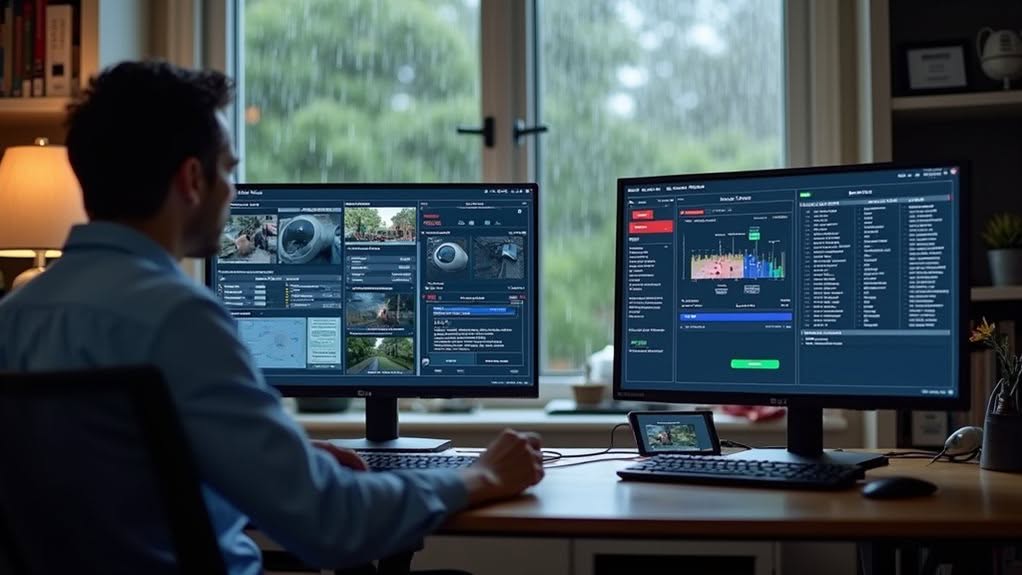
Remote accessibility stands as perhaps the most remarkable advantage cloud-based security systems offer over their local counterparts. With cloud solutions, you’ll gain the ability to monitor your security system from anywhere with internet access, overcoming local limitations.
Cloud advantages include real-time monitoring across multiple locations, which proves invaluable for businesses with remote workers or multiple sites. Your organization can respond quickly to security events without requiring physical presence.
The operational flexibility of cloud systems manifests in four key ways:
- Immediate mobile alerts when incidents occur
- Remote management of security settings without on-site visits
- Access to footage from any internet-connected device
- Scalability to add or modify security measures as needed
Local systems, while reliable during internet outages, greatly restrict your operational flexibility by requiring on-premises access for most functions.
Choosing the Right Solution for Your Business Needs
When selecting between cloud-based and local security systems, you’ll need to carefully evaluate your organization’s specific requirements, budget constraints, and operational priorities.
Begin with a thorough risk assessment to identify your most valuable assets and potential vulnerabilities.
Consider your business priorities—if immediate access during internet outages is vital, a local system may be preferable. If you’re focused on scalability and minimal upfront investment, cloud solutions offer clear advantages.
Your industry’s compliance requirements also play a significant role in this decision. Some regulated sectors demand specific data handling protocols that may favor one system type over the other.
Remember that hybrid solutions are increasingly popular, combining the reliability of local storage with the accessibility of cloud platforms to create a customized security approach designed to your unique business needs.
Frequently Asked Questions
How Do Hybrid Security Systems Compare to Pure Cloud or Local Solutions?
Hybrid security systems offer you the best of both worlds. You’ll enjoy hybrid advantages like local processing with remote access, but face hybrid disadvantages including more complex setups and higher initial costs than pure solutions.
Can I Transfer My Existing Security Data When Switching Systems?
Yes, you can transfer your existing security data when switching systems. Data migration depends on system compatibility between your old and new platforms. You’ll need to check if your providers support this changeover process.
How Do System Updates Impact Daily Security Operations?
System updates can disrupt your daily security operations if not scheduled properly. You’ll see improved operational efficiency with cloud systems that offer automated updates, while local systems require planning around your update frequency.
What Insurance Benefits Exist for Different Security System Types?
You’ll receive insurance discounts with both systems, though cloud-based options often earn higher reductions. Your provider’s policy requirements typically favor systems with 24/7 monitoring, remote alerts, and documented incident response capabilities.
How Do Power Outages Affect Cloud Versus Local Security Systems?
During outages, your cloud systems need internet backup to function, while local systems with power backup continue operating independently. Both require proper outage response protocols, but local options typically offer more reliability when electricity fails.
Final Thoughts
When choosing between cloud-based and local security systems, you’ll need to weigh your priorities carefully. Cloud solutions offer flexibility, accessibility, and lower upfront costs, while local systems provide greater control and potential compliance advantages. Consider your budget constraints, security requirements, and growth plans. The right choice isn’t universal—it depends on your organization’s specific needs, regulatory environment, and long-term security strategy.