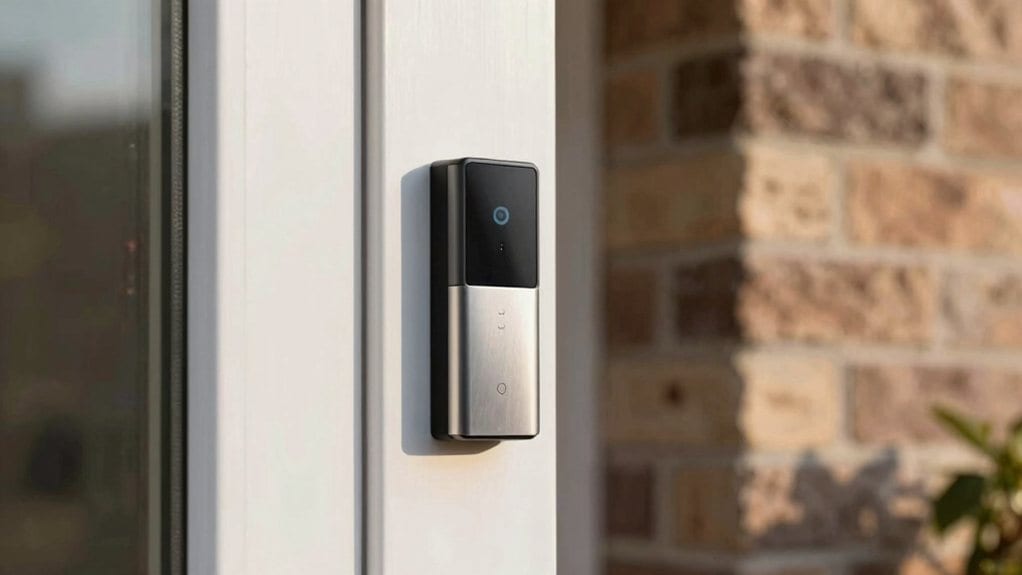
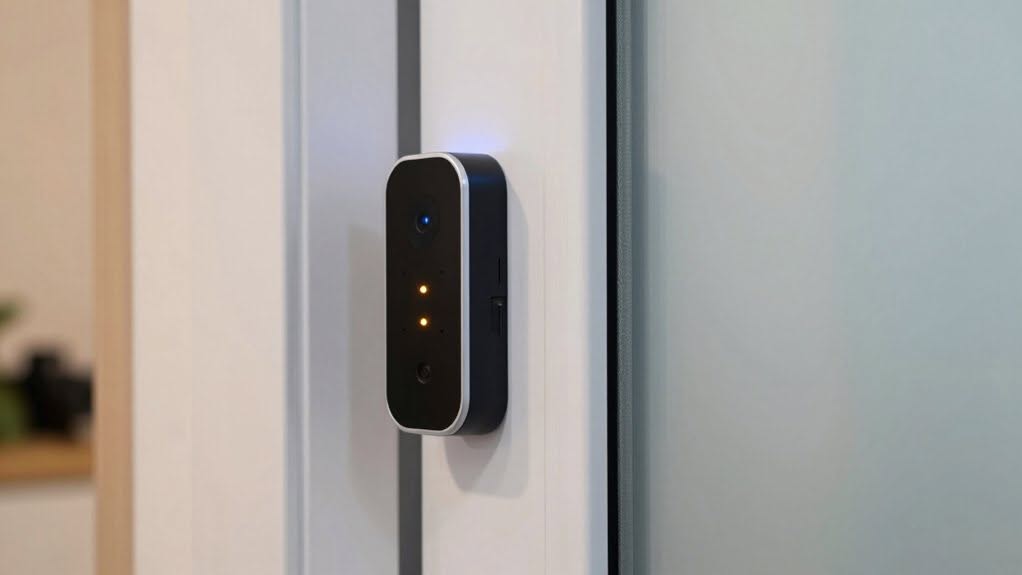
Smart contact sensors enhance home security by giving you immediate alerts when doors or windows open, so you’re not left guessing. You’ll gain real-time visibility, simple automation, and options from battery-powered, wireless models to hub-based systems with encryption and tamper detection. With choices like geofenced alerts, 24/7 monitoring compatibility, and voice control, you can tailor protection to your home. Curious how to balance range, power, and reliability for your setup? Let’s explore.
| GoveeLife Door Window Sensor for Smart Home |

| Hub Ecosystem Leader | Detection: Open/close | Power Source: Battery (CR2) | Mounting Method: Adhesive tape (window mount) | VIEW LATEST PRICE | Read Our Analysis |
| Aqara Zigbee Door/Window Sensor 3-Pack |

| Zigbee Trio | Detection: Open/close | Power Source: Battery (not specified in detail) | Mounting Method: Adhesive/magnet-based mounting | VIEW LATEST PRICE | Read Our Analysis |
| WiFi Smart Door/Window Sensor with App Alerts |

| Hub-Free Pack | Detection: Open/close | Power Source: Battery (2× AAA) | Mounting Method: 3M double-sided tape | VIEW LATEST PRICE | Read Our Analysis |
| WiFi Door/Window Sensor with Alerts (3-pack) |

| No-Hub Power Pack | Detection: Open/close | Power Source: Battery (2× AAA) | Mounting Method: 3M double-sided tape | VIEW LATEST PRICE | Read Our Analysis |
| Ring Alarm Contact Sensor 2nd Gen — 3-Year Battery |
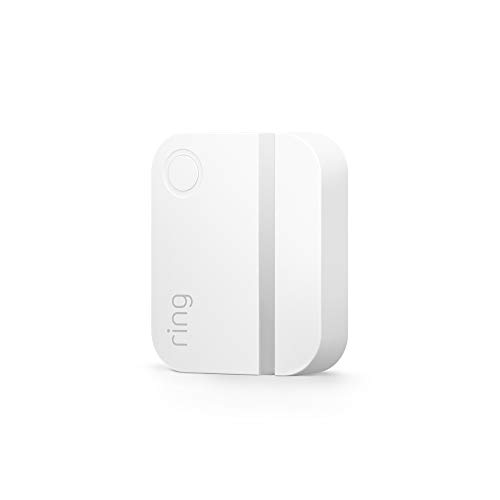
| Best Battery Life | Detection: Open/close | Power Source: Battery (2× CR2032) | Mounting Method: Tool-free mounting | VIEW LATEST PRICE | Read Our Analysis |
More Details on Our Top Picks
GoveeLife Door Window Sensor for Smart Home
If you want a compact, reliable alert for doors, windows, or even drawers, the GoveeLife Door Window Sensor is a solid choice—especially if you’re already building a broader smart home with the GoveeLife ecosystem. It’s a wireless mini contact sensor that reports open or close status across doors, windows, drawers, cabinets, and even refrigerators, and it doesn’t connect to Alexa or Google Assistant, enabling group control of up to 50 GoveeLife devices. With a 265-foot range and a CR2 battery designed for months of use, you get longevity without constant maintenance. It needs a hub and 2.4 GHz Wi‑Fi.
- Detection:Open/close
- Power Source:Battery (CR2)
- Mounting Method:Adhesive tape (window mount)
- App Alerts:Yes (app control/alerts)
- Hub/Base Station Requirement:Requires GoveeLife hub
- Connectivity Type:2.4 GHz Wi-Fi (hubed; not 5 GHz)
- Additional Feature:50-device ecosystem support
- Additional Feature:Insulation strip activation required
- Additional Feature:265 ft wireless range
Aqara Zigbee Door/Window Sensor 3-Pack
The Aqara Zigbee Door/Window Sensor 3-Pack is a solid pick if you already use Aqara hubs and want a ready-made, multi-point setup for entry points. You’ll need the Aqara Hub (sold separately) because third-party hubs aren’t supported, with compatible options like Hub M2, M1S, E1, M1S Gen2, G2H Pro, G2H, and Camera Hub G3. Installation requires a stable 22 mm gap between units and a door/window gap no larger than 0.86 inch. Expect up to 400 inches of range to the hub, and guarantee LAN-connected router proximity. It supports HomeKit, Alexa, and IFTTT for automation, for smarter, safer living.
- Detection:Open/close
- Power Source:Battery (not specified in detail)
- Mounting Method:Adhesive/magnet-based mounting
- App Alerts:Yes (alerts via Aqara/HomeKit/Alexa)
- Hub/Base Station Requirement:Requires Aqara Hub
- Connectivity Type:Zigbee (via Aqara Hub)
- Additional Feature:HomeKit compatibility
- Additional Feature:IFTTT support
- Additional Feature:Within 400 inches of hub
WiFi Smart Door/Window Sensor with App Alerts
Designed for renters or busy households who want hassle-free setup, this WiFi door/window sensor delivers real-time app alerts the moment a door or window changes state.
You control it through Tuya Smart or Smart Life, with no hub needed, and you can pair it with Alexa or Google Assistant for voice checks.
Mounted via 3M tape, this compact sensor fits doors, windows, cabinets, garages, and even pet doors, indoors or outdoors.
It monitors status, battery life, and alarm history in the apps, sends push alerts, and supports automation routines that turn lights on when doors open for everyday security.
- Detection:Open/close
- Power Source:Battery (2× AAA)
- Mounting Method:3M double-sided tape
- App Alerts:Yes (real-time app alerts)
- Hub/Base Station Requirement:No hub required
- Connectivity Type:Wi-Fi (no hub)
- Additional Feature:No hub required
- Additional Feature:Outdoor-capable use
- Additional Feature:3M mounting tape included
WiFi Door/Window Sensor with Alerts (3-pack)
A standout feature is its dual-mode connectivity, pairing Bluetooth and Wi‑Fi to keep you protected even if one network path dips. You receive real-time app alerts when a door or window opens or closes, with events stored in a History Log for easy review. Setup is quick and hub-free, working with Android and iOS through Smart Life and Tuya Smart apps. It integrates with Alexa and Google Assistant for voice control and supports scenes that trigger other devices. Powered by 2 AAA batteries, it delivers over six months of life with alerts for low battery and a 24‑month warranty.
- Detection:Open/close
- Power Source:Battery (2× AAA)
- Mounting Method:3M double-sided tape
- App Alerts:Yes (real-time app alerts)
- Hub/Base Station Requirement:No hub required
- Connectivity Type:Bluetooth + Wi-Fi (no hub)
- Additional Feature:Dual Bluetooth/Wi‑Fi
- Additional Feature:History log tracking
- Additional Feature:24‑month Gaoducash warranty
Ring Alarm Contact Sensor 2nd Gen — 3-Year Battery
For busy homeowners seeking low-maintenance security, the Ring Alarm Contact Sensor 2nd Gen, with its 3-year battery life, stands out as a practical choice. You’ll get instant alerts when doors or windows open, and the slim format makes placement flexible. Powered by two CR2032 batteries, it lasts about three years and ships with fresh cells. It requires the Ring Alarm Base Station and is indoor-only, with a maximum sensor gap of one inch. Maintenance is simple—check the ½-inch battery-access space on the non-magnet side, and consider the Ring Home subscription for added features. Warranty covers a year; support available.
- Detection:Open/close
- Power Source:Battery (2× CR2032)
- Mounting Method:Tool-free mounting
- App Alerts:Yes (mobile alerts)
- Hub/Base Station Requirement:Requires Ring Alarm Base Station
- Connectivity Type:Z-Wave (to Ring Base Station)
- Additional Feature:3-year battery life
- Additional Feature:Z-Wave to Base Station
- Additional Feature:Slim, low-profile design
Factors to Consider When Choosing Smart Contact Sensors
When choosing smart contact sensors, start by checking hub and protocol compatibility to guarantee they work with your existing system. Consider range and placement, battery life expectancy, and the gap you can safely seal, so you don’t face blind spots or mounting hassles. Finally, weigh the power source type to balance convenience with reliability and long-term upkeep.
Hub And Protocol Compatibility
How do you pick a sensor that actually plays nice with your setup? Start by identifying your hub and protocol. If you already use Zigbee or Z-Wave, choose sensors that pair with the same protocol and note that they’ll form a mesh with extended range. If you prefer Wi-Fi, expect direct connection and potentially higher power use than low‑power wireless options. Dual‑mode sensors with Bluetooth and Wi‑Fi give you flexibility, allowing multiple paths without a separate hub. Remember that some sensors require a dedicated hub, while others connect directly to 2.4 GHz networks. Also consider range claims: Z‑Wave reaches up to 250 feet, while Zigbee and some Wi‑Fi options can hit about 400 feet under ideal conditions. Choose compatibility that fits your daily routines.
Range And Placement
Picking a compatible setup sets the stage, but range and placement determine reliability in day-to-day use. Focus on the hub-to-sensor link: maximum ranges vary, with some models supporting up to 400 inches (about 33 feet) for stable Zigbee communication. In practice, you’ll want the magnet and sensor aligned within a gap of no more than 25 millimeters to reliably detect open and close events. But walls, metal surfaces, and large appliances aren’t just annoyances—they shrink signal strength, so plan placements with these obstacles in mind. Indoor sensors typically tolerate temperatures from 0°C to 49°C, which further constrains where you can install them. For best consistency, position the hub or base station in line of sight and within the specified range, noting that open-air conditions can reach up to 265 feet for certain protocols. This simple alignment pays dividends in reliability.
Battery Life Expectancy
Battery life in smart contact sensors varies widely depending on the battery type and how often the sensor triggers events. When you pick CR2032 coin cells, you’ll typically enjoy two to three years of operation under normal use, which makes them a low-maintenance choice. If you lean on AAA batteries, expect roughly six months to a year, with life influenced by how often you transmit data and by environmental conditions. Low battery warnings arrive through your mobile app, so you can replace batteries before the sensor stops responding. Temperature also matters: ideal performance sits between 0°C and 49°C (32°F to 120°F), and extreme heat or cold can shave weeks or months off your lifespan. Plan replacements ahead to maintain continuous security and reliability always.
Gap And Mounting
Gap and mounting play a vital role in a smart contact sensor’s reliability, so getting these details right saves you future headaches. To maintain reliable contact detection, keep the sensor and its magnet within the maximum gap, typically 22 to 25 mm. Mount both components on flat, clean surfaces that accept adhesive, preventing misalignment and false triggers. If you need battery access, leave at least ½ inch clearance on the non-magnet side so you can service it without removing the entire unit. Use strong adhesive tape or solid mounting hardware to resist shifting, especially on doors or windows that open often. Avoid warped or uneven surfaces, because gaps over 1 inch can cause detection failures. Regularly recheck alignment after installation for lasting reliability always.
Power Source Type
Choosing the right power source hinges on how you use the sensor and how often it reports data. Most smart contact sensors rely on coin cells like CR2032, which can last up to three years with moderate transmission. If your model uses AAA batteries, expect six months to a year between replacements, depending on activity. Some units employ lithium-based CR2 cells, offering longer voltage stability in tougher environments or colder rooms. Battery life also depends on how efficiently the wireless protocol works; sending data less often helps you extend periods between changes. Keep an eye on low battery warnings in your mobile app so you can replace batteries promptly and avoid gaps in monitoring. That proactive approach saves outages and preserves security integrity daily.
Alerts And Notifications
As you move from choosing a power source to how alerts actually work, you’ll want notifications that respect your routine and your security needs. Real-time push alerts ping your phone when a monitored entry opens, giving you immediate awareness of access events. Some sensors let you customize when you’re alerted, so you can mute notifications during late nights or busy times. Alerts live in the companion app, where event history logs show exact dates and times for review later. When your system connects to a smart home ecosystem, alerts can prompt voice assistants or联动 with other devices for broader awareness. Battery status warnings in the app help prevent unexpected downtime and maintain continuous monitoring. This balanced approach reduces fatigue and keeps you informed consistently.
Integration Platforms Supported
Should you prioritize broad compatibility or strict security confines when selecting a smart contact sensor, the answer often hinges on integration platforms. Some sensors pair with popular voice assistants like Amazon Alexa and Google Assistant, letting you dimly control and check status with simple commands. Other models require a specific hub or ecosystem to enable automation and remote access, which confines you to compatible platforms and protocols. Wi‑Fi devices usually connect directly to smartphone apps and cloud services, delivering real-time alerts without extra hardware. Proponents of closed ecosystems note tighter security, while open‑platform sensors support IFTTT or MQTT for custom automations across diverse environments. Your choice should reflect your tech habits, trusted apps, and desired automation depth. Balance ease of use with future growth.
Security Features Variants
Security features vary in how they protect you and your home, so look for options that pair quick reactions with solid long-term safeguards. Some sensors trigger local alarms and send real-time mobile alerts on unauthorized entry, helping you react immediately. Advanced models integrate with home security subscriptions that offer 24/7 monitoring, motion alerts, and event recording for continuous protection. Tamper detection adds another layer, notifying you if the device is removed or interfered with. Others log all open/close events in a secure history database, letting you audit access patterns and spot vulnerabilities. End-to-end encryption and hub-based processing keep access data private, reducing exposure to external breaches and giving you peace of mind. Choose a model that matches your alerts cadence and privacy preferences today.
Final Thoughts
Ultimately you want sensors that fit your home and habits without fuss. Pick models with reliable alerts, solid battery life, and easy integration with your hub or Wi‑Fi. Consider scale (single doors or multi-pack), installation ease, and tamper or encryption features for real security. Test notifications on every platform you use, from phones to voice assistants, and keep firmware current. With the right choice, your doors and windows stay monitored, giving you peace of mind.