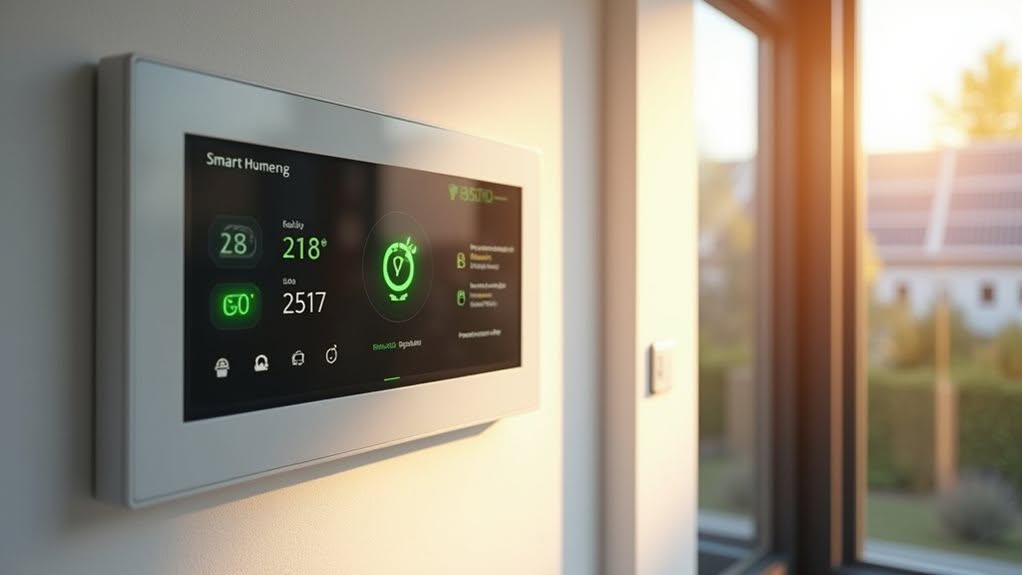
You’ve probably noticed your energy bills increasing while climate concerns grow more urgent. Smart home automation offers a practical solution to reduce your carbon footprint without sacrificing comfort or convenience. By intelligently controlling your home’s systems—from HVAC and lighting to appliances and water usage—you can cut energy consumption by 15-30% according to recent studies. The combination of scheduled routines, occupancy detection, and real-time monitoring creates an efficiency ecosystem that benefits both your wallet and the planet.
Understanding Your Home’s Current Energy Consumption
Before you can reduce your home’s environmental impact, you need to understand where your energy is actually going. Homes represent 20-30% of the EU’s total energy consumption, making your household’s efficiency critically important.
Start by examining your consumption patterns through energy audits or smart meter monitoring. These tools help identify which appliances and systems consume the most power throughout the day.
Pay special attention to heating, cooling, lighting, and electronic devices. Many homeowners don’t realize that standby energy, or phantom load, wastes electricity even when devices aren’t in use.
A smart home energy monitoring system can transform your ability to track and optimize electricity usage in real-time.
Smart HVAC Systems: Optimizing Heating and Cooling Efficiency
Now that you understand where your energy is being used, heating and cooling systems deserve special attention as they typically represent the largest portion of your home’s energy consumption.
Smart HVAC systems can reduce heating costs by 10-12% and cooling expenses by 15% through automated adjustments.
Smart thermostat features like scheduling guarantee your system runs only when needed, preventing energy waste. You can program temperature changes based on your daily routine or control settings remotely when plans change unexpectedly.
Zoning benefits allow you to condition only occupied rooms, improving both comfort and efficiency. By heating or cooling specific areas rather than the entire house, you’ll optimize energy usage considerably.
These systems can also integrate with renewable energy sources like solar panels, aligning your energy consumption with peak production times to maximize efficiency.
Intelligent Lighting Solutions for Energy Conservation

While HVAC systems consume the largest portion of home energy, your lighting choices can greatly impact your carbon footprint as well.
Smart bulb technology offers noteworthy environmental benefits through various energy saving features.
Implementing intelligent lighting in your home can reduce energy consumption in several ways:
- Replace traditional incandescent bulbs with LED smart lighting to cut energy use by at least 75%
- Install motion sensors that automatically turn off lights in empty rooms, saving 35-45% more energy
- Set up automated schedules that adjust brightness based on natural light availability
- Use remote control capabilities to manage lighting when you’re away from home
Automated Power Management for Appliances and Devices
Beyond smart lighting, your home’s appliances and devices represent considerable opportunities for energy optimization.
Smart plugs can transform regular appliances into controllable units, eliminating standby power waste that accounts for 5-10% of residential energy consumption.
Scheduling appliances to operate during off-peak hours reduces both your energy costs and environmental impact. You’ll maximize efficiency by running dishwashers, washing machines, and dryers when electricity demand is lower.
Energy analytics systems provide real-time consumption data, helping you identify which devices consume the most power. This visibility typically leads to 10-20% reductions in overall energy use through informed decisions about appliance operation.
For homes with solar panels, automated systems can prioritize self-consumption of renewable energy, minimizing grid reliance and further reducing your carbon footprint by 35-45%.
Integrating Renewable Energy Sources With Smart Home Systems
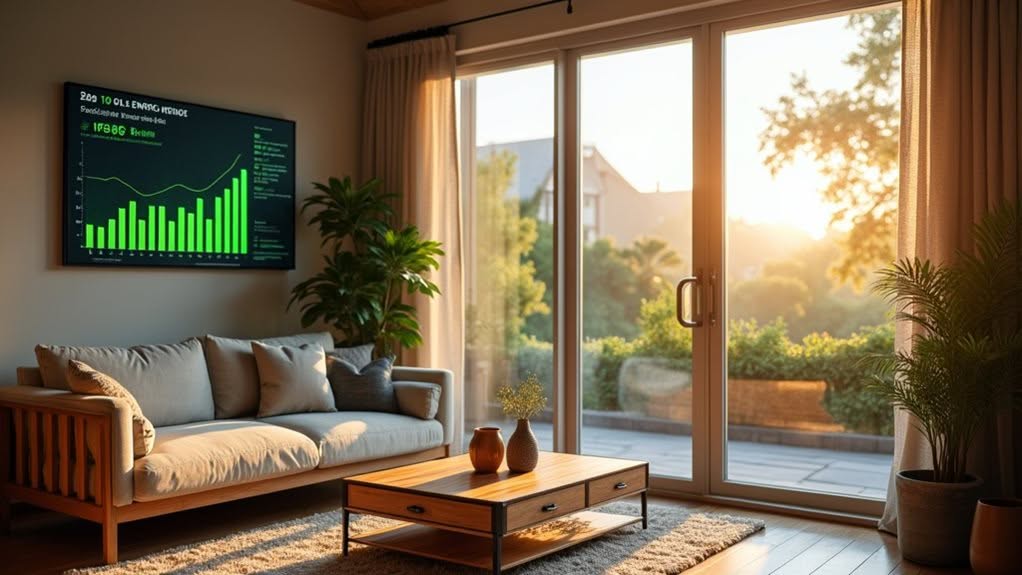
Smart homes can maximize solar energy usage by scheduling your high-energy appliances to run when your solar panels are generating peak power.
You can integrate wind energy systems with your smart home controllers to create a hybrid renewable setup that provides consistent clean energy regardless of weather conditions.
Battery storage solutions, when connected to your smart home system, allow you to store excess renewable energy for later use, helping you maintain energy independence even when the sun isn’t shining or the wind isn’t blowing.
Solar-Powered Smart Controls
As renewable energy becomes more accessible to homeowners, integrating solar panels with smart home systems offers a powerful way to reduce your carbon footprint. Smart controls maximize solar panel efficiency by intelligently managing your energy consumption.
Your smart home can optimize renewable energy use through:
- Scheduling high-energy appliances to run during peak solar production
- Real-time monitoring that tracks your consumption patterns for better usage decisions
- Automated battery storage management for using solar energy after sunset
- Smart grid integration that reduces reliance on non-renewable power sources
These systems can save you up to $145 annually when paired with smart thermostats.
You’ll not only decrease your carbon emissions but also gain greater control over your energy usage, guaranteeing your home operates efficiently even during non-sunny hours.
Wind Energy Integration
While solar power harnesses the sun’s energy, wind energy offers another powerful renewable option for environmentally conscious homeowners. The wind energy benefits are substantial, contributing to reduced fossil fuel dependence and lower carbon emissions across your household.
Smart energy optimization systems allow you to schedule high-consumption appliances during peak wind production periods, maximizing the clean energy you’re using.
Real-time monitoring through energy management systems helps you adjust consumption based on current wind generation.
You can further improve efficiency by connecting battery storage systems to capture excess energy during high winds for later use.
Your smart thermostats and HVAC systems can automatically adjust based on wind energy availability, reducing waste and promoting sustainability.
This integration creates a dynamic ecosystem where your home responds intelligently to natural wind patterns, further reducing your carbon footprint.
Battery Storage Solutions
Battery storage solutions represent the critical missing link in creating a truly sustainable smart home ecosystem.
These systems capture excess energy from your renewable sources, storing it for later use when production drops.
Smart integration of battery storage offers multiple advantages:
- Improved energy independence by reducing reliance on the grid during peak pricing periods
- Real-time monitoring capabilities that optimize energy flow throughout your home
- Intelligent management systems that prioritize stored energy when grid prices are highest
- Notable reduction in your home’s carbon footprint through maximized renewable usage
Your battery life depends on proper management, which smart systems handle automatically.
Water Conservation Through Smart Home Technology
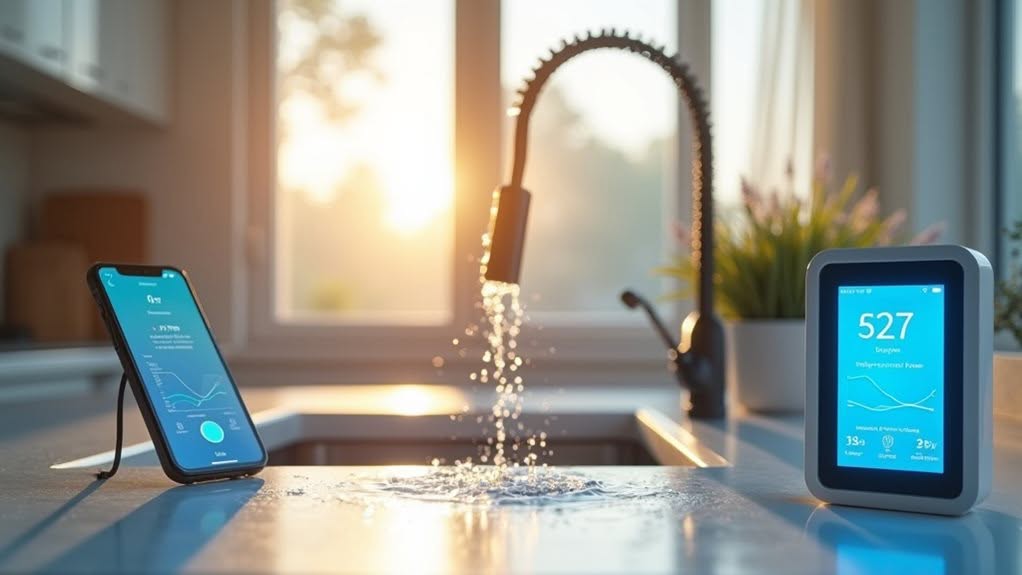
When homeowners adopt smart water management technology, they’re taking a substantial step toward environmental conservation and cost reduction.
Smart irrigation systems equipped with soil moisture sensors provide real-time data about your garden’s needs, preventing unnecessary watering and reducing overall water consumption. These systems can automatically adjust to weather forecasts, skipping scheduled cycles during rainy periods.
Leak detection technology offers immediate alerts when pipes develop issues, helping you avoid costly water damage and waste. A small drip can waste thousands of gallons annually if left undetected.
You can track your water usage patterns through smart meters, identifying opportunities for greater efficiency.
Smart appliances like dishwashers and washing machines further optimize your home’s water consumption by operating during off-peak hours, reducing both resource usage and utility bills.
Data-Driven Decision Making for Carbon Reduction
Beyond managing water resources, your smart home offers powerful opportunities to make data-driven decisions that directly reduce your carbon footprint.
Energy analytics provide valuable insights into your home’s consumption trends, enabling you to make targeted improvements.
Your smart home’s data capabilities can transform your energy usage through:
- Real-time energy monitoring that identifies high-consumption appliances requiring immediate attention
- Scheduling smart plugs and appliances to operate during off-peak hours, lowering both costs and grid demand
- Energy dashboards that visualize your consumption trends, empowering more efficient daily habits
- Smart thermostat integration that automatically adjusts based on occupancy, potentially saving 10-12% on heating and 15% on cooling
This proactive approach to energy management helps you align your usage with renewable sources and reduces your overall dependence on the grid.
Creating a Comprehensive Home Automation Ecosystem
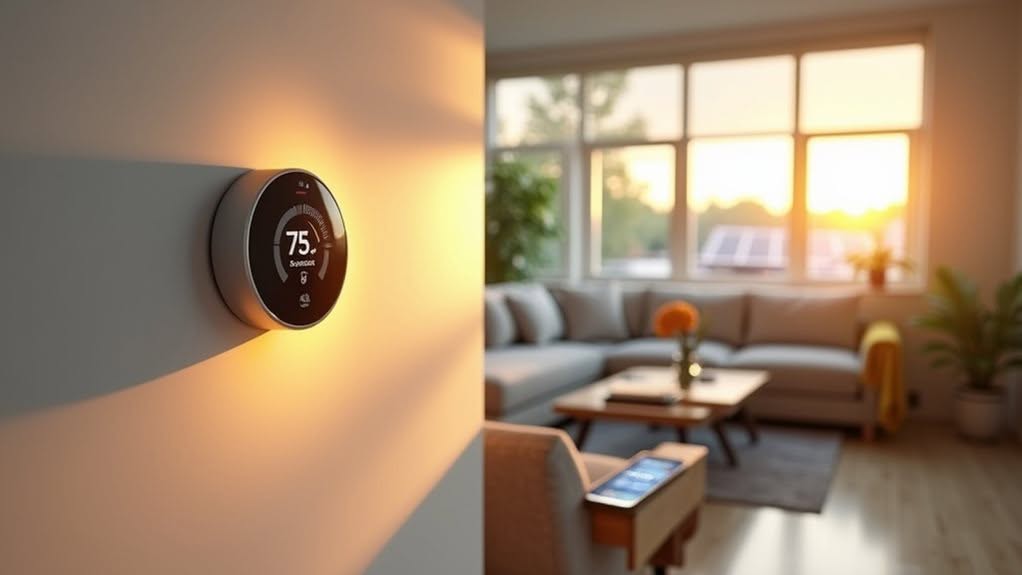
Building an integrated smart home system connects your thermostats, lighting, and appliances into a unified network that works together to reduce energy waste.
You’ll maximize efficiency when these systems communicate with each other, automatically adjusting based on occupancy patterns and time of day without requiring constant manual input.
Your thorough automation ecosystem can lower energy bills by 10-20% through strategic scheduling of high-consumption appliances during peak renewable energy production and shutting down unused systems when you’re away.
Streamlining Whole-Home Integration
Although individual smart devices offer standalone benefits, creating a thorough home automation ecosystem unlocks their full potential to reduce your carbon footprint.
When evaluating device compatibility, choose products that work with open protocols like KNX to guarantee seamless communication between all components. Your user interface should provide extensive control while remaining intuitive enough for daily use. This integration enables coordinated energy management across your entire home.
For maximum efficiency, implement these strategies:
- Connect your HVAC system to occupancy sensors to heat or cool only used rooms.
- Set up energy monitoring dashboards to identify waste from power-hungry devices.
- Program appliances to run during peak solar production periods.
- Establish automated load balancing to prevent energy consumption spikes.
This whole-home approach can reduce your carbon emissions by up to 13% through intelligent energy coordination.
Maximizing Automation Efficiency
Once you’ve created a connected smart home infrastructure, maximizing its efficiency becomes crucial for reducing your carbon footprint.
A thorough ecosystem integrates various devices, providing both convenience and notable energy savings.
Smart scheduling of your thermostat can cut heating costs by 10-12% and cooling expenses by 15%. These devices learn your user habits over time and make automatic adjustments based on when you’re actually home.
Motion-activated lighting systems reduce energy use by 35-45% by guaranteeing lights aren’t running in empty rooms. This passive automation requires no daily input from you.
Energy monitoring systems reveal your consumption patterns, enabling informed decisions that can reduce your energy spending by 10-20%.
You can further optimize efficiency by programming appliances to run during off-peak hours, lowering both your utility bills and environmental impact.
Frequently Asked Questions
How Much Do Smart Home Automation Systems Typically Cost?
You’ll spend anywhere from $100 to $1,500+ for smart home systems, depending on system features you choose. Installation costs vary too, typically ranging from DIY setups to professional installations averaging $300-$500 per room.
Can Renters Install Smart Home Systems Without Landlord Permission?
You can install non-permanent smart devices without permission, like plugs, bulbs, and portable sensors. However, renters’ rights vary by location, so check your lease before making any smart installations that require mounting or wiring.
What Privacy Concerns Exist With Connected Smart Home Devices?
Smart home devices can collect your personal data without proper user consent. They’re vulnerable to hacking, potentially compromising your data security. Companies might share your information with third parties, invading your household privacy.
How Do Smart Homes Perform During Power Outages?
Without power backup, your smart home becomes limited during outages. You’ll lose functionality unless you’ve installed outage management systems like battery backups, generators, or manual overrides for crucial devices.
Can Older Homes Be Retrofitted With Automation Technology?
Yes, you can retrofit older homes with automation technology. You’ll face some retrofit challenges like older wiring, but the automation benefits—energy savings, convenience, and increased home value—typically outweigh these initial hurdles.
Final Thoughts
By implementing the strategies outlined in this article, you’re more than creating a smarter home—you’re making a meaningful environmental impact. Your automated systems will continuously optimize energy usage, reduce waste, and lower your carbon footprint. Start with one automation solution and gradually expand your ecosystem. The combination of technology and thoughtful programming creates a home that’s both comfortable for you and kinder to our planet.


