Smart kitchen energy monitoring solutions are systems that track and analyze electricity usage of commercial kitchen equipment through IoT sensors, data transmission networks, and centralized processing units. You’ll find these technologies provide real-time analytics on appliance performance, enabling immediate identification of inefficiencies and automated responses to reduce energy consumption. They typically include user-friendly dashboards displaying actionable insights, predictive maintenance capabilities, and integration with existing kitchen management systems. These solutions can reduce utility costs by up to 15% while extending equipment lifespan.
The Evolution of Energy Management in Commercial Kitchens
While today’s smart kitchens feature sophisticated energy monitoring systems, their development stretches back to the Industrial Revolution of the late 18th and early 19th centuries.
These early advances standardized kitchen equipment and introduced durable materials like cast iron and stainless steel, which improved cooking efficiency through better heat distribution. The introduction of gas stoves during this period was a significant milestone that greatly improved temperature regulation in commercial kitchens.
The mid-20th century marked a notable shift as manual tools gave way to electric appliances. The post-war economic boom led to remarkable kitchen innovations that prioritized durability, safety, and labor-saving functionality.
This change reduced physical labor while improving food quality and consistency. Stainless steel became the industry standard due to its hygienic properties.
The digital revolution of the 21st century brought precise temperature controls and smart appliances to commercial kitchens. Modern smart home systems now offer comprehensive energy management solutions that can be integrated with commercial kitchen equipment for optimal efficiency.
Today’s IoT sensors and connected devices allow real-time monitoring of equipment performance and energy consumption, creating considerable cost savings and supporting improved food safety standards.
Core Components of Smart Kitchen Monitoring Systems
Modern smart kitchen monitoring systems consist of five interconnected components that work together to optimize energy usage.
At the foundation are various sensors that collect critical data about your kitchen environment. Temperature sensors track ambient conditions, while gas and current sensors monitor air quality and electricity consumption of individual appliances. The most effective systems use MQ-135 Gas Sensors to detect gas levels and potential leaks in the kitchen environment.
The second component, a data transmission network, moves information from sensors to control units using WiFi modules or wired connections, guaranteeing secure real-time data flow. These systems can transmit data through wired or wireless networks similar to those used in comprehensive energy monitoring solutions.
A central processing unit forms the third component, analyzing data through AI algorithms to identify patterns and optimization opportunities.
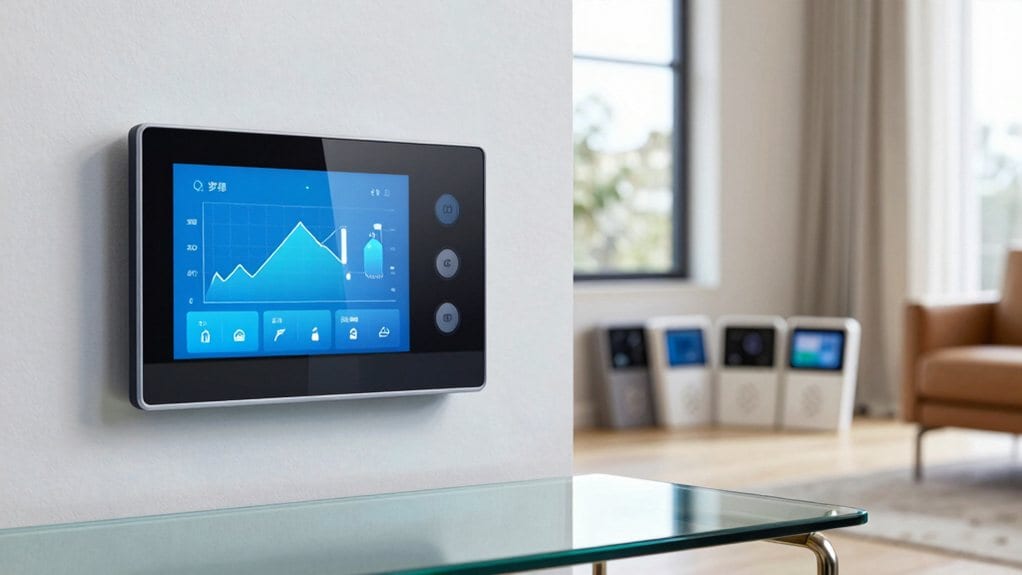
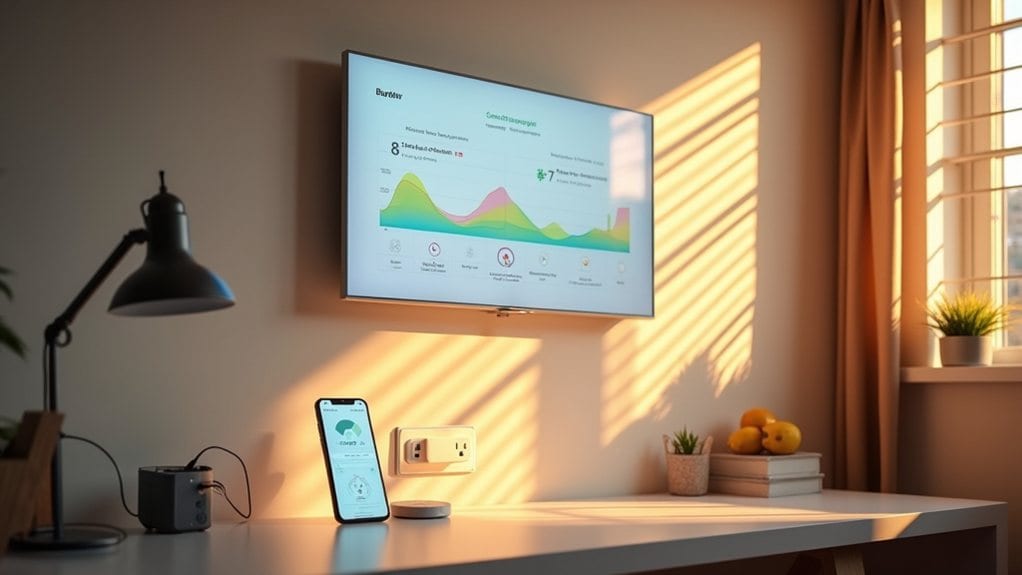
User interfaces provide the fourth element, displaying energy consumption data through intuitive mobile apps and dashboards.
Finally, integration features connect your system with smart switches and automation tools, triggering responses based on preset conditions.
How IoT Transforms Kitchen Equipment Efficiency
The foundation of IoT kitchen efficiency starts with seamless equipment integration, where smart appliances connect to centralized monitoring systems through wireless protocols.
You’ll find these connected devices constantly gathering performance data, including energy consumption metrics, temperature readings, and operational status in real-time.
This continuous stream of analytics allows you to identify inefficiencies immediately, optimize settings remotely, and implement energy-saving measures based on actual usage patterns rather than assumptions. Modern IoT kitchen solutions are prioritizing environmental responsibility as manufacturers develop increasingly energy-efficient smart kitchen gadgets. The unified platform approach reduces costs significantly as energy accounts for nearly 6% of average restaurant expenses.
IoT Equipment Integration Basics
As kitchens evolve toward greater connectivity, IoT technology fundamentally transforms how commercial and residential cooking equipment operates. This integration relies on establishing reliable network connections, either through private indoor networks or cellular technology.
Your kitchen devices communicate with each other and central management systems through these networks, allowing remote access via smartphone apps or cloud platforms. This connectivity enables you to monitor and control appliances from anywhere. Modern IoT kitchens emphasize energy efficiency through smart appliances that optimize power usage and reduce waste. Data analytics capabilities help identify patterns in energy consumption and suggest optimizations for greater efficiency.
The integration supports automated software updates and remote diagnostics, greatly reducing equipment downtime when issues arise. Interconnected devices can synchronize their operations, optimizing cooking sequences and energy consumption throughout your kitchen.
Voice control capabilities through systems like Alexa or Google Assistant offer hands-free management options, making it easier to multitask while preparing meals or managing kitchen operations.
Real-time Performance Analytics
Nearly every aspect of kitchen operations becomes visible through real-time performance analytics, transforming how you manage equipment efficiency.
Your kitchen display systems can track critical metrics like order completion times, cook times, and throughput rates directly on-screen during operations. These dashboards show you exactly where bottlenecks form, allowing immediate action to resolve slowdowns.
IoT sensors continuously measure equipment performance, transmitting temperature consistency, power usage, and operational status to cloud platforms you can access anywhere. This constant stream of data reveals patterns that help you optimize workflows and staffing. The system’s digital twins visualization technology creates virtual models of your equipment to simplify monitoring and troubleshooting processes.
When historical trends are analyzed, you’ll identify which equipment is underperforming or consuming excessive energy. Management can then make data-driven decisions about maintenance scheduling, equipment replacement, or process improvements—all based on actual performance rather than guesswork. Color-coded indicators help staff quickly distinguish between on-time and late orders, ensuring consistent service quality through effective monitoring.
Real-Time Data Analytics: Turning Energy Insights Into Action
Real-time data analytics transforms your kitchen’s energy consumption patterns into actionable insights that allow for immediate adjustments.
You’ll notice how these systems automatically identify inefficiencies in equipment performance and trigger automated responses, such as temperature adjustments or power cycling, to optimize energy use.
Your kitchen operations can benefit from predictive analytics that forecast energy usage patterns based on historical data, enabling you to plan ahead and implement proactive energy-saving measures during peak demand periods.
SUBHEADING DISCUSSION POINTS
Modern kitchens generate massive amounts of energy data that, when properly analyzed, can transform operational efficiency and sustainability.
AI and machine learning algorithms detect abnormal patterns in appliance performance, helping you identify equipment issues before they cause downtime. The system creates unique energy signatures for each device, improving monitoring accuracy through continuous model refinement.
You’ll receive actionable recommendations like adjusting appliance settings or rescheduling operations to off-peak hours, markedly reducing costs and energy consumption. These insights help you prioritize maintenance for high-usage or inefficient equipment.
Integration with other kitchen systems creates an all-encompassing management platform, allowing you to remotely control equipment settings in response to energy fluctuations.
This unified approach boosts your ability to make data-driven decisions that support long-term energy savings.
Immediate Efficiency Adjustments
The power of immediate action distinguishes today’s energy management systems from their predecessors. When your smart kitchen’s monitoring system detects inefficiencies, you’ll receive real-time alerts that facilitate instant interventions.
You can remotely adjust temperature settings on refrigeration units or modify cooking equipment operations to match current demands without being physically present. This remote capability guarantees you’re always optimizing energy use regardless of location.
When sensors detect unusual energy consumption patterns, AI analytics immediately notify you of potential equipment malfunctions. These early warnings help prevent costly repairs and minimize downtime in your kitchen operations.
The system’s dashboards show instant feedback on energy consumption, allowing you to see how turning off unused appliances or rescheduling high-consumption tasks to off-peak hours directly impacts your overall costs.
Predictive Usage Patterns
Powerful predictive analytics transform raw kitchen energy data into actionable intelligence, allowing you to anticipate consumption patterns before they occur.
These systems combine historical analysis with real-time monitoring to create a thorough view of your kitchen’s energy profile.
Smart kitchen monitoring leverages several advanced techniques:
- Machine learning algorithms process large datasets to uncover hidden patterns and predict future usage with remarkable accuracy
- Environmental factors like weather data and occupancy are integrated into predictive models
- Anomaly detection flags unusual consumption patterns that might indicate equipment malfunctions
- Digital twin technology creates virtual replicas of your kitchen to visualize performance
With continuous monitoring and dashboard visualization, you’ll receive immediate alerts about abnormal energy use.
This proactive approach can reduce utility costs by up to 15% while extending equipment life through predictive maintenance.
Predictive Maintenance: Extending Equipment Lifespan Through Technology
As kitchen appliances grow increasingly sophisticated, predictive maintenance emerges as a revolutionary approach to equipment care that can dramatically extend the operational life of your commercial kitchen assets.
This technology relies on sensors embedded in appliances that collect real-time data on vibration, temperature, and motor performance. IoT connectivity streams this information to AI-driven analytics platforms, which identify potential failures before they occur.
You’ll experience fewer emergency repairs as the system detects minor issues before they escalate into major breakdowns. This shifts maintenance from calendar-based schedules to condition-based interventions, optimizing your resources.
The benefits extend beyond equipment longevity—you’ll maintain consistent food quality, improve kitchen productivity, and reduce energy waste by addressing inefficiencies early.
Despite initial investment costs, the long-term operational savings can be substantial.
ROI Analysis: Financial Benefits of Smart Kitchen Implementation
When you’re considering smart kitchen technology, understanding your return on investment helps justify the upfront costs.
You’ll typically see payback periods of 1-3 years through combined savings from energy reduction (up to 15% on utility bills), reduced food waste, and lower maintenance expenses.
The financial benefits extend beyond direct energy savings to include prolonged equipment lifespans, decreased emergency repair costs, and optimized inventory management that collectively strengthen your bottom line.
Payback Period Analysis
Three key factors determine the financial payback period for smart kitchen energy monitoring systems: initial investment costs, ongoing operational savings, and resource optimization benefits.
Most implementations achieve positive ROI within 1-3 years through cumulative efficiency gains.
Your payback period will vary based on:
- Size and complexity of your kitchen operations
- Availability of financial incentives like rebates and tax credits
- Scale of energy and maintenance savings (typically 15% reduction in utility costs)
- Implementation of complementary waste reduction strategies
The financial return accelerates as the system helps you avoid emergency repairs and extends equipment lifespan.
You’ll also benefit from improved budget predictability and potentially increased property valuation—with smart technologies sometimes boosting business value by 5-12%.
Energy Cost Reduction
Smart kitchen energy monitoring solutions deliver concrete financial returns through strategic energy cost reduction.
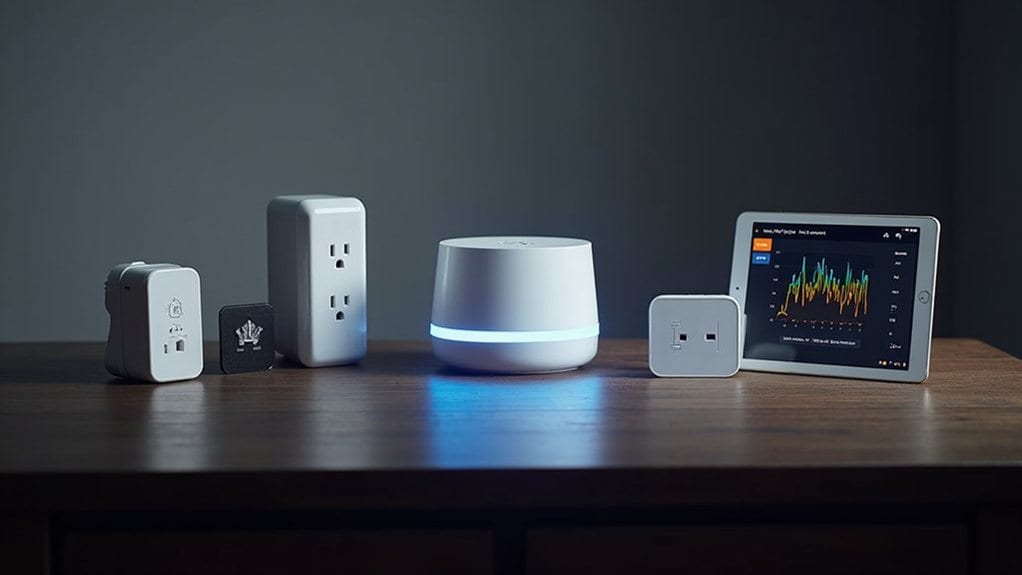
By implementing smart plugs on major appliances, you can track exactly which devices consume the most power and adjust usage accordingly.
Real-time data from smart meters encourages behavioral changes that lead to 15-20% reductions in energy costs over time.
When you shift energy-intensive kitchen tasks to off-peak hours, you’ll see immediate savings on your utility bills.
Smart kitchen technology allows you to automate energy-heavy processes, eliminating waste from forgotten or inefficiently running appliances.
The initial investment in these technologies is often offset by long-term savings on energy bills.
IoT sensors can also detect potential maintenance issues before they cause energy inefficiency, further extending your cost savings beyond direct consumption reductions.
Maintenance Savings Calculation
Calculating your return on investment for smart kitchen monitoring systems requires a thorough analysis of both upfront costs and long-term savings.
Smart technologies provide substantial maintenance benefits that directly impact your bottom line.
- Predictive maintenance identifies potential failures before they occur, reducing emergency repair costs by up to 40%
- Real-time equipment monitoring extends asset lifespans, deferring expensive replacements
- Remote diagnostics decrease the need for on-site technician visits, cutting labor expenses
- Centralized dashboards provide instant visibility into equipment health across all locations
Most restaurants report up to 3X ROI in the first year from combined maintenance and operational savings.
These benefits increase over time as the system matures and collects more performance data.
Regular ROI reassessment guarantees your smart kitchen system continues aligning with business objectives.
Integration With Existing Kitchen Management Systems
Modern kitchen energy monitoring solutions achieve their full potential when they seamlessly integrate with systems you already have in place. The centralized IoT platform connects diverse equipment manufacturers, creating a unified monitoring experience across your operation.
Your existing kitchen management platforms, like Kitchen Display Systems and Production Optimization Boards, receive seamless data flows from energy monitoring systems. This integration delivers a complete operational view without requiring separate dashboards.
The cloud-based architecture guarantees you can access real-time analytics and control features from anywhere, while standardized communication protocols maintain compatibility between new equipment and legacy devices.
You don’t need to overhaul everything at once—the modular design supports gradual adoption. Start with basic integrations of critical equipment, then expand as your needs and budget allow.
Digital Twin Technology for Equipment Performance Visualization
Beyond integrated systems, digital twin technology offers a revolutionary approach to monitoring your kitchen equipment.
These virtual replicas combine physical asset data with real-time information to create dynamic models of your kitchen devices.
Digital twins provide several key benefits for your commercial kitchen:
- Real-time visualization of equipment status, performance metrics, and environmental conditions simultaneously
- Continuous analysis of data streams to detect anomalies like temperature fluctuations before they cause failures
- Predictive maintenance capabilities that forecast malfunctions and optimize maintenance schedules
- Simulation tools for testing “what-if” scenarios without disrupting actual kitchen operations
Comparing Commercial Kitchen Solutions vs. Residential Energy Monitoring
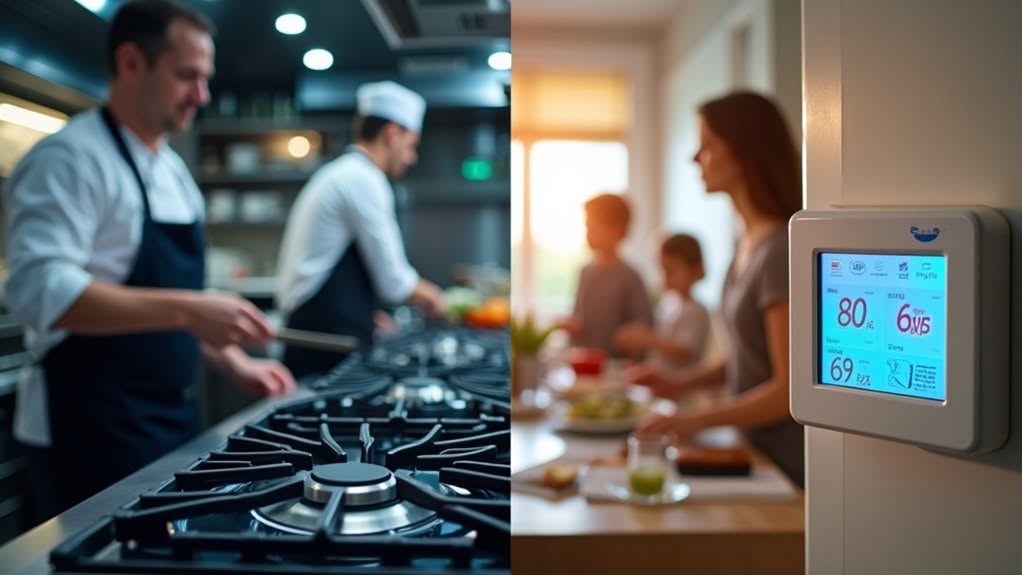
When comparing commercial kitchen energy monitoring systems to their residential counterparts, several key differences emerge in scale, complexity, and functionality.
Commercial systems manage considerably higher energy demands, consuming 2.5 to 3 times more energy per square foot than residential kitchens. They integrate multiple sensors for thorough oversight of energy, water, temperature, and air quality.
Residential monitoring systems feature simpler installations designed for fewer appliances and basic energy usage tracking. They’re more affordable and often integrate with smart home devices, though they offer limited automation capabilities.
The ROI differs dramatically between sectors. Commercial solutions can deliver returns within months, saving thousands annually through reduced energy waste and equipment failure prevention.
Both systems improve efficiency, but commercial options provide more advanced data analysis and scalability.
Future Innovations in Smart Kitchen Energy Management
As technological advancement accelerates, the future of smart kitchen energy management promises revolutionary changes in how we control and conserve energy. AI-driven predictive systems will analyze your cooking habits to optimize power usage automatically.
Your future kitchen will include several groundbreaking technologies:
- Ambient intelligence with motion sensors that power down appliances when you’re not present
- IoT connectivity providing real-time energy consumption data through user-friendly dashboards
- Smart appliances that synchronize operations to minimize peak energy loads
- AI algorithms that adjust cooking settings dynamically to reduce unnecessary power use
These innovations will integrate with your home calendar and smart grid programs, allowing your kitchen to reduce consumption during peak times while balancing convenience with cost savings.
Energy management will become increasingly automated, requiring minimal user intervention.
Frequently Asked Questions
Are Smart Kitchen Solutions Compatible With Legacy Non-Iot Equipment?
Yes, your non-IoT equipment can work with smart solutions through retrofitting technologies. IoT gateways and plug-and-play sensors connect legacy systems, while vendor-agnostic tools guarantee compatibility across different manufacturers and protocols.
How Much Training Do Kitchen Staff Need to Use These Systems?
You’ll need several hours to a few days of training depending on system complexity. You’ll learn setup, data analysis, energy-saving strategies, and troubleshooting. Ongoing support guarantees you’ll adapt to changes and optimize efficiency.
What Cybersecurity Risks Exist With Connected Kitchen Equipment?
Your connected kitchen equipment faces hacking risks through vulnerable Wi-Fi routers, unsecured appliances, and outdated software. You’ll encounter threats like DDoS attacks, device hijacking, and data theft that can disrupt operations or compromise security.
Can These Systems Work During Internet or Power Outages?
During internet outages, you’ll maintain basic functionality with local networks, offline-capable hubs, and Zigbee/Z-Wave protocols. However, during power outages, you’ll need battery backups or alternative power sources for any operation to continue.
How Do Smart Kitchens Comply With Food Safety Regulations?
You’ll comply with food safety regulations through real-time temperature monitoring, digital HACCP checklists, automated alerts for violations, thorough documentation systems, and predictive maintenance. These tools guarantee continuous compliance while creating instant audit-ready records for inspectors.
Final Thoughts
You’ve explored how smart kitchen energy monitoring solutions are transforming commercial food operations. These systems combine IoT connectivity, real-time analytics, and predictive maintenance to optimize equipment performance and reduce costs. By integrating with existing kitchen management platforms and utilizing digital twin technology, you’ll gain unprecedented visibility into your energy consumption. Whether in commercial or residential settings, these innovations will continue to evolve, making your kitchen more efficient and sustainable.