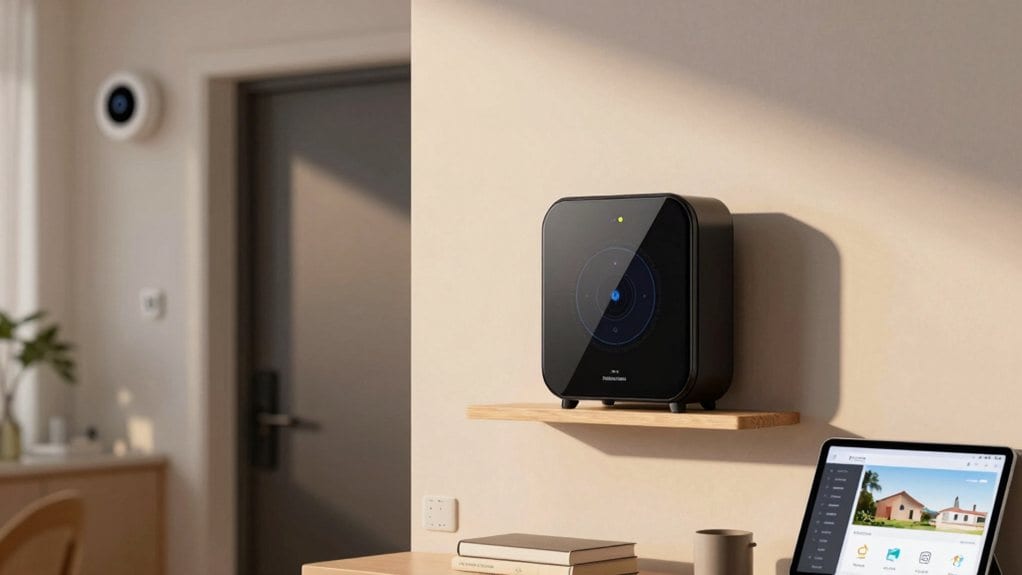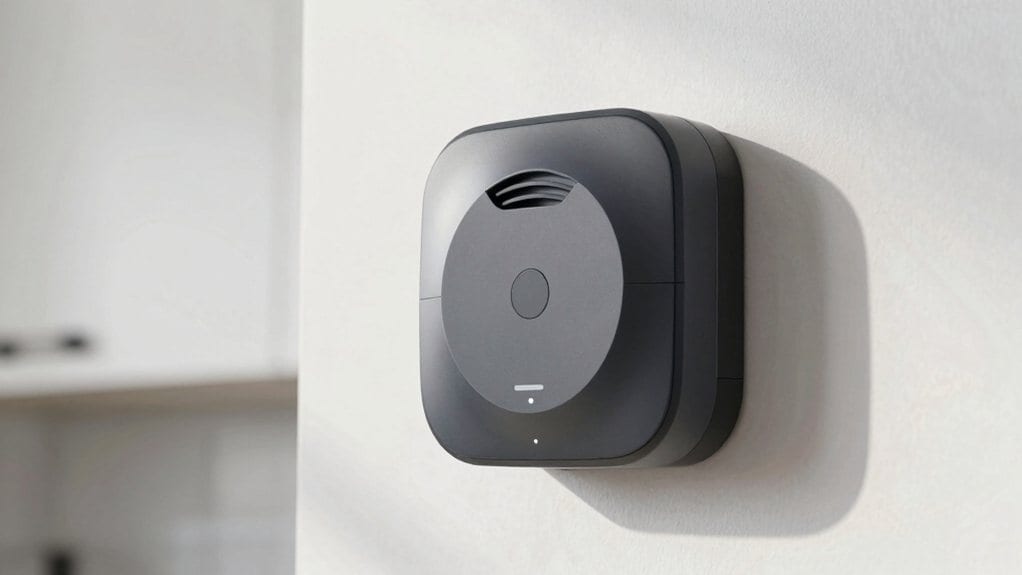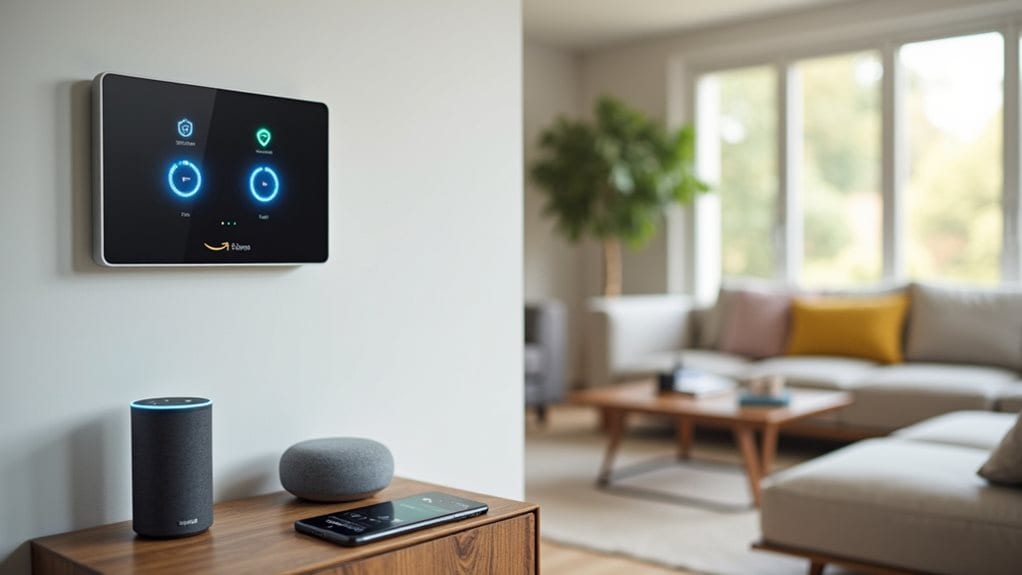

You’ve likely noticed how home security has transformed in recent years. Smart alarm response systems now offer protection that goes far beyond the basic alarms of the past. These intelligent systems combine sensors, cameras, and mobile technology to create a security network that actively monitors your home. When unusual activity occurs, you’ll receive immediate notifications and can respond accordingly. The integration of artificial intelligence into these systems represents one of the most notable advancements in residential security technology.
The Evolution of Home Security: From Traditional to Smart Alarms
While traditional home security relied heavily on hardwired systems with limited user control, today’s smart alarm technology has revolutionized how we protect our homes.
These historical advancements have transformed passive monitoring into active protection systems.
In the past, you’d wait an average of 8-11 minutes for police response after a break-in occurred.
Modern smart systems now detect threats before intruders enter your home, using internet connectivity and advanced sensors.
Consumer preferences have driven this evolution toward greater personalization and control.
You can now monitor your property remotely through mobile apps that provide real-time notifications of suspicious activities.
This shift from centralized monitoring stations to user-controlled security networks has empowered you to create customized protection systems designed to your specific home safety needs.
Looking to enhance your home protection further, consider investing in a comprehensive smart home security system that integrates multiple safety features in one package.
Key Components and Technologies Behind Smart Alarm Response Systems
The backbone of today’s sophisticated home security lies in several interconnected technologies working seamlessly together. Your smart alarm system relies on various sensor types strategically placed throughout your home, including motion detectors, contact sensors for doors and windows, and smart cameras that capture real-time footage.
Communication protocols enable these components to transmit data instantly to your central hub, which processes information using artificial intelligence to distinguish genuine threats from false alarms. This technology greatly enhances response reliability while reducing unnecessary alerts.
- Motion and contact sensors detect unauthorized entry and immediately trigger the system
- AI-powered analytics evaluate potential threats by analyzing patterns and unusual activities
- Cloud connectivity guarantees you’ll receive alerts on your smartphone regardless of your location
Real-Time Monitoring and Mobile Integration Capabilities

Anyone with a smartphone can now transform their device into a powerful security command center with today’s smart alarm systems.
These systems deliver real-time alerts directly to your mobile device when suspicious activities are detected at your home or business.
Mobile accessibility is a cornerstone feature, allowing you to check live video feeds and system status from anywhere in the world.
Whether you’re at work or on vacation, you can monitor your property through Wi-Fi or cellular networks.
You’ll appreciate the customizable notification settings, which let you tailor alerts based on specific sensors or activities.
For instance, you can receive different alerts for door openings versus motion detection.
The user-friendly mobile interfaces also enable remote management functions, including arming and disarming your system, setting schedules, and checking battery levels.
Security Challenges and Protective Measures for Smart Systems
Despite their impressive capabilities, smart alarm response systems face several notable security vulnerabilities that users must address proactively. Hacking risks represent a considerable concern, making password security a crucial first line of defense against unauthorized access.
While many systems can function without internet connectivity during outages, maintaining regular software updates remains vital to patch system vulnerabilities as they’re identified.
- Implement two-factor authentication to create an additional security layer beyond basic passwords.
- Perform consistent system maintenance to guarantee all sensors and components function properly.
- Use secure, password-gated interfaces to minimize the risk of unauthorized access.
Regular monitoring of your system’s performance can identify potential security issues before they become serious problems.
With proper protective measures in place, you can greatly reduce the risk of compromise to your smart alarm system.
Customization Options for Different Home Security Needs
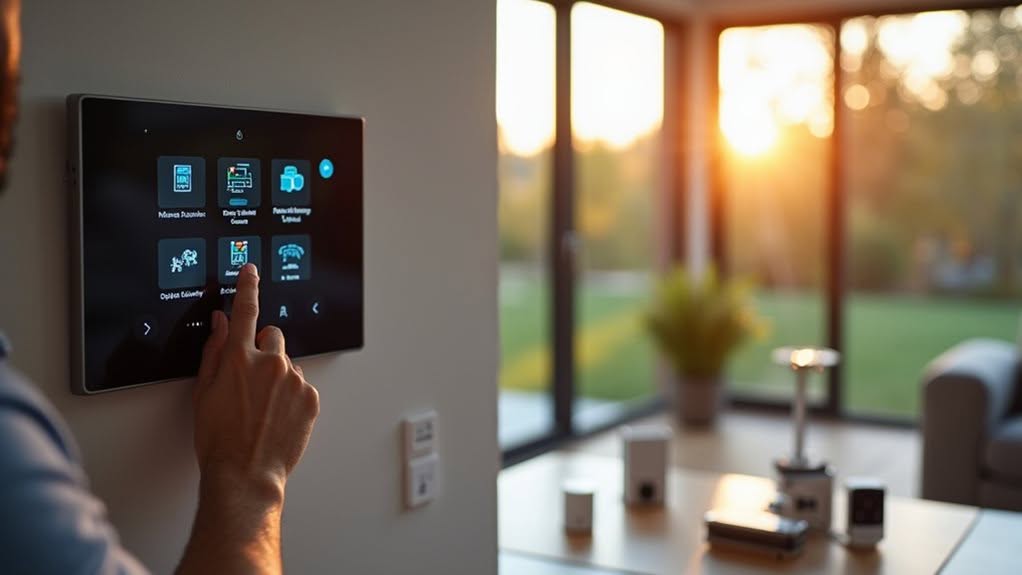
Beyond keeping your system secure, tailoring a smart alarm system to your specific needs transforms it from a generic security solution into a personalized protective framework.
Sensor selection flexibility allows you to add or remove devices based on your property’s unique layout and your specific concerns.
Alert customization empowers you to receive notifications only for meaningful events, such as motion detection in certain areas or entry point activity during unusual hours.
You can integrate these systems with other smart home elements to create automated routines, like lights activating when the alarm triggers.
You’ll also find flexibility in monitoring options, choosing between self-monitoring or professional services.
Additionally, you can establish different access levels for family members and guests, guaranteeing only authorized individuals can control your system.
Cost Analysis: Installation, Maintenance, and Long-Term Value
When considering a smart alarm system for your home, understanding the complete financial picture helps you make an informed decision beyond just the initial purchase price.
Installation costs typically range from $150 to $1,000, depending on system complexity and whether you choose professional installation.
You’ll need to factor in maintenance expenses over time, though wireless systems generally require less frequent service than traditional options.
- Insurance providers often offer 10-20% premium discounts when you install smart security systems
- Long-term value increases through customization options that let you expand your system as needs change
- DIY monitoring can eliminate monthly professional monitoring fees, creating notable long-term savings
The initial investment in a smart alarm system often pays for itself through insurance savings and the flexibility to adapt your security as your requirements evolve.
Frequently Asked Questions
Do Smart Alarm Systems Work During Power Outages?
Yes, smart alarm systems can work during power outages if they have battery backup. Your system’s power reliability depends on having functioning batteries installed and properly maintained for these emergency situations.
How Do Pets Affect Motion Sensors in Alarm Systems?
Pets can trigger false alarms through their movement unless you properly calibrate your sensors. You’ll need motion detectors designed with pet immunity that ignore animals under specific weights while still detecting human intruders.
Can Renters Install Smart Alarm Systems Without Landlord Permission?
You should check your lease and tenant rights before installing smart alarms. While wireless systems that don’t damage walls are generally acceptable, following installation guidelines and notifying your landlord is best practice.
Are Smart Alarm Systems Vulnerable to Hacking?
Yes, smart alarm systems can be vulnerable to hacking risks. You’ll need strong passwords, regular updates, and proper security measures like two-factor authentication to protect your system from unauthorized access.
How Do Weather Conditions Impact Outdoor Security Sensors?
Your outdoor sensors can be compromised by extreme weather. Rain interference disrupts motion detection accuracy, while snow coverage can block camera views and trigger false alarms. You’ll need weatherproof equipment for reliable year-round security.
Final Thoughts
You’re now equipped to make informed decisions about smart alarm response systems for your home. These technologies offer substantial advantages over traditional security methods, combining real-time monitoring with customizable features that adapt to your specific needs. As you weigh the costs against long-term benefits, remember that investing in a smart security system isn’t just about protection—it’s about gaining peace of mind in today’s connected world.